Tickets & passes
What must be reserved before the rest of the trip?
Separate site admission from transport, circuits, guides and add-ons. Recheck the managing authority before purchase.
Plan this decision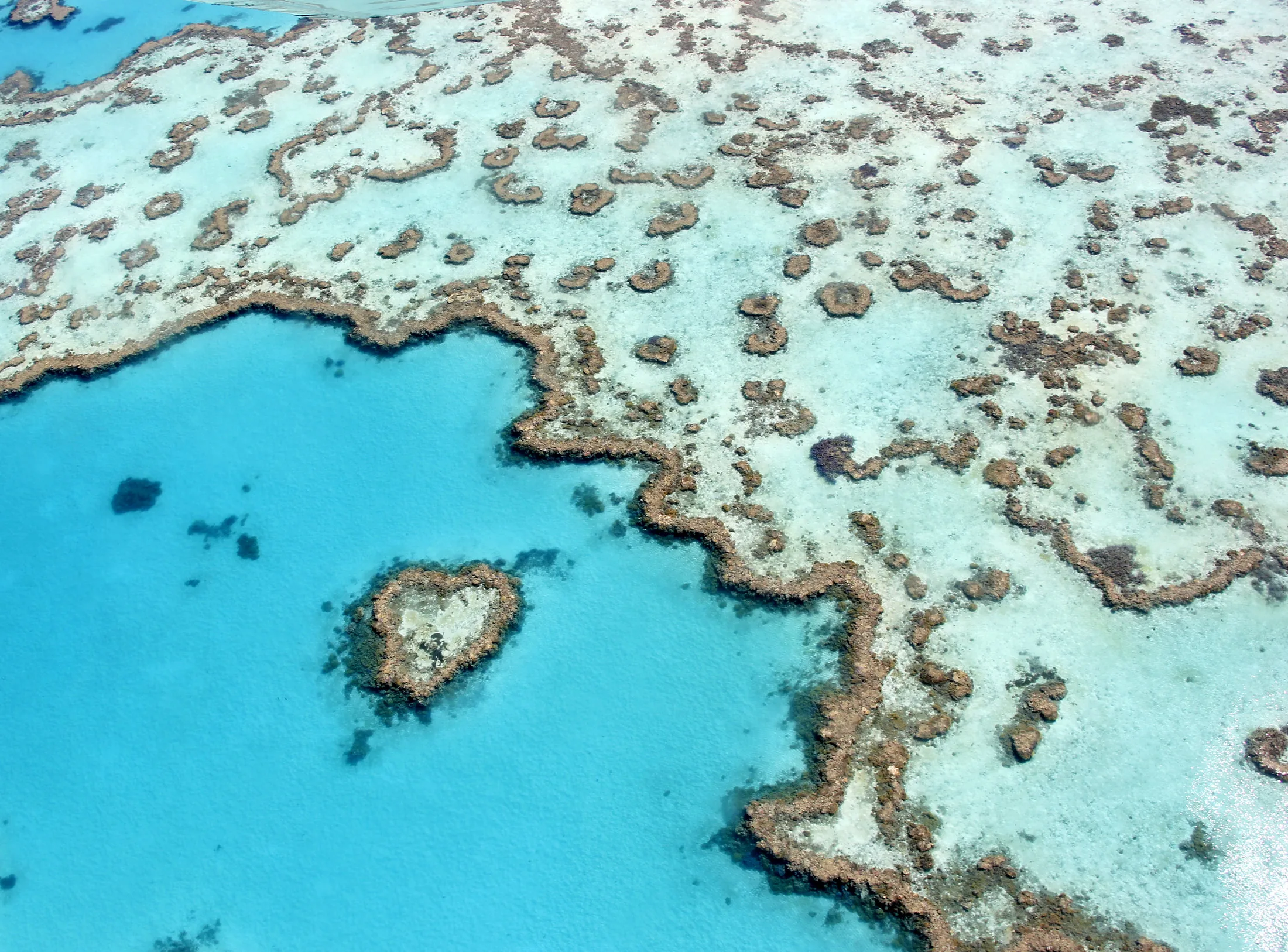
WorldWonders field guide
Vast protected landscapes and ecosystems where gateways, seasons, operators and safety define the visit.
See all 7 placesDistance changes the day
Read the scale
Choose a gateway and season before distance, weather and protected-area rules choose for you.
Plan by decision
These focused guides turn a place type into a ticket, route or gateway choice.
What you are deciding
Start with the decision that can close a route, stretch a day or make the visit harder than expected.
Tickets & passes
Separate site admission from transport, circuits, guides and add-ons. Recheck the managing authority before purchase.
Plan this decisionTiming & crowds
Opening patterns, heat, weather and group arrivals matter more than a generic best-time list.
Plan this decisionAccess & walking
Gateway transport, steps, uneven ground and return routes decide whether an itinerary is comfortable or rushed.
Plan this decisionResponsible visits
Follow local rules, protect living culture and habitat, and choose access that supports long-term care of the place.
Plan this decisionComplete hub inventory
7 distinct visits, grouped by the planning decision each place asks you to make.
United States
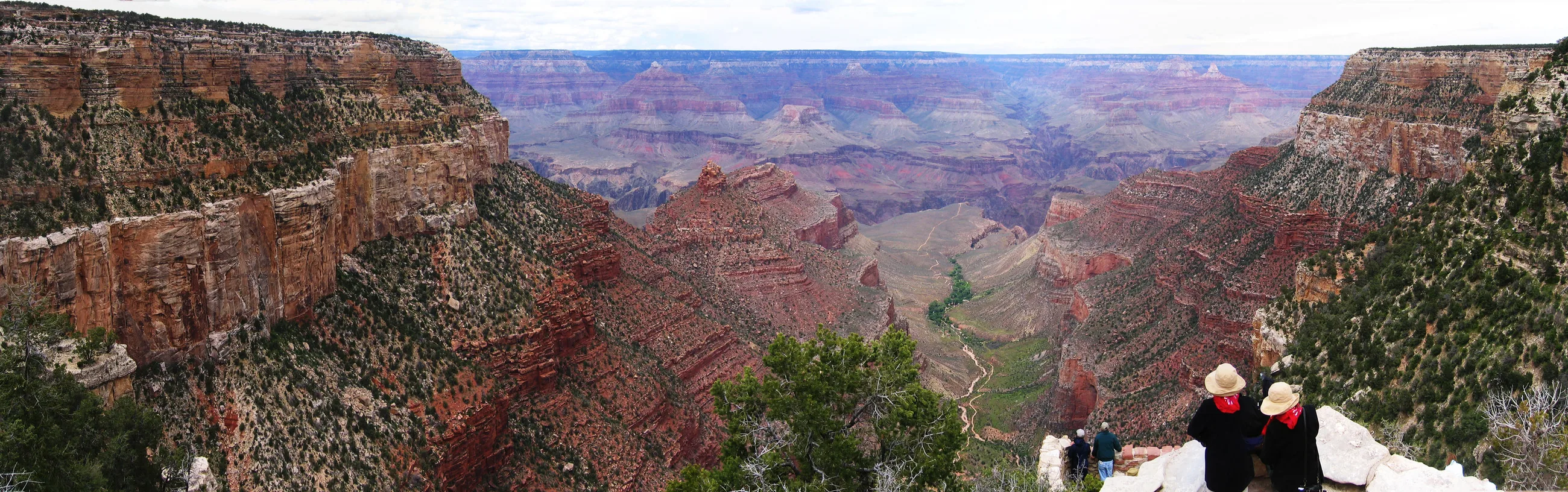
South Rim, North Rim or a Day Tour?
The rim and gateway determine season, drive time, services and whether the day leaves room to walk.
Argentina & Brazil
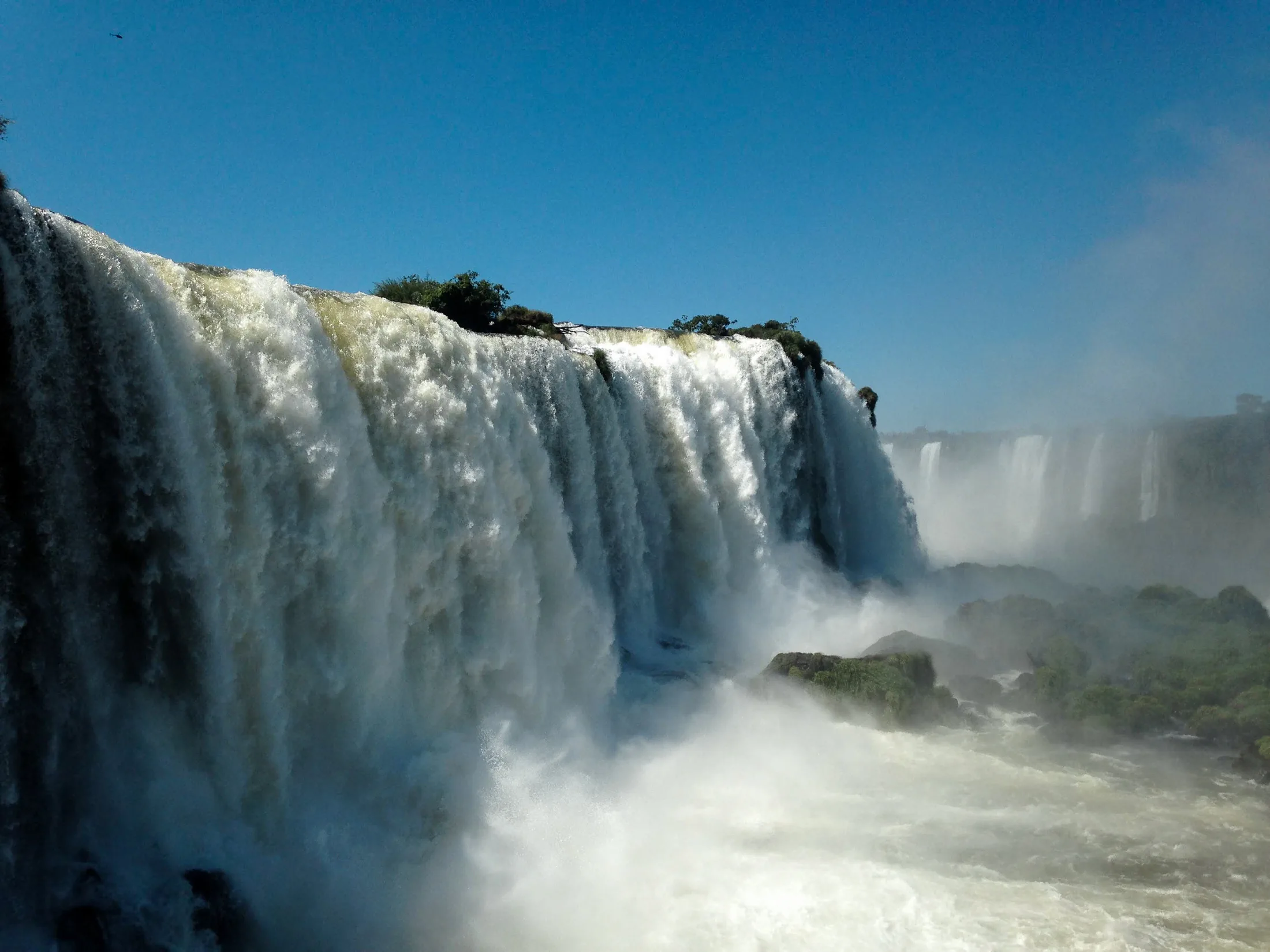
Argentina Side, Brazil Side or Both?
Argentina puts you inside the circuit network; Brazil gives the broad panorama. Crossing between them adds a separate park system, ticket channel and transfer plan.
Australia
Which Gateway and Reef Trip?
A reef visit begins with gateway, vessel, travel time, water confidence and operator standards rather than one universal excursion.
Japan
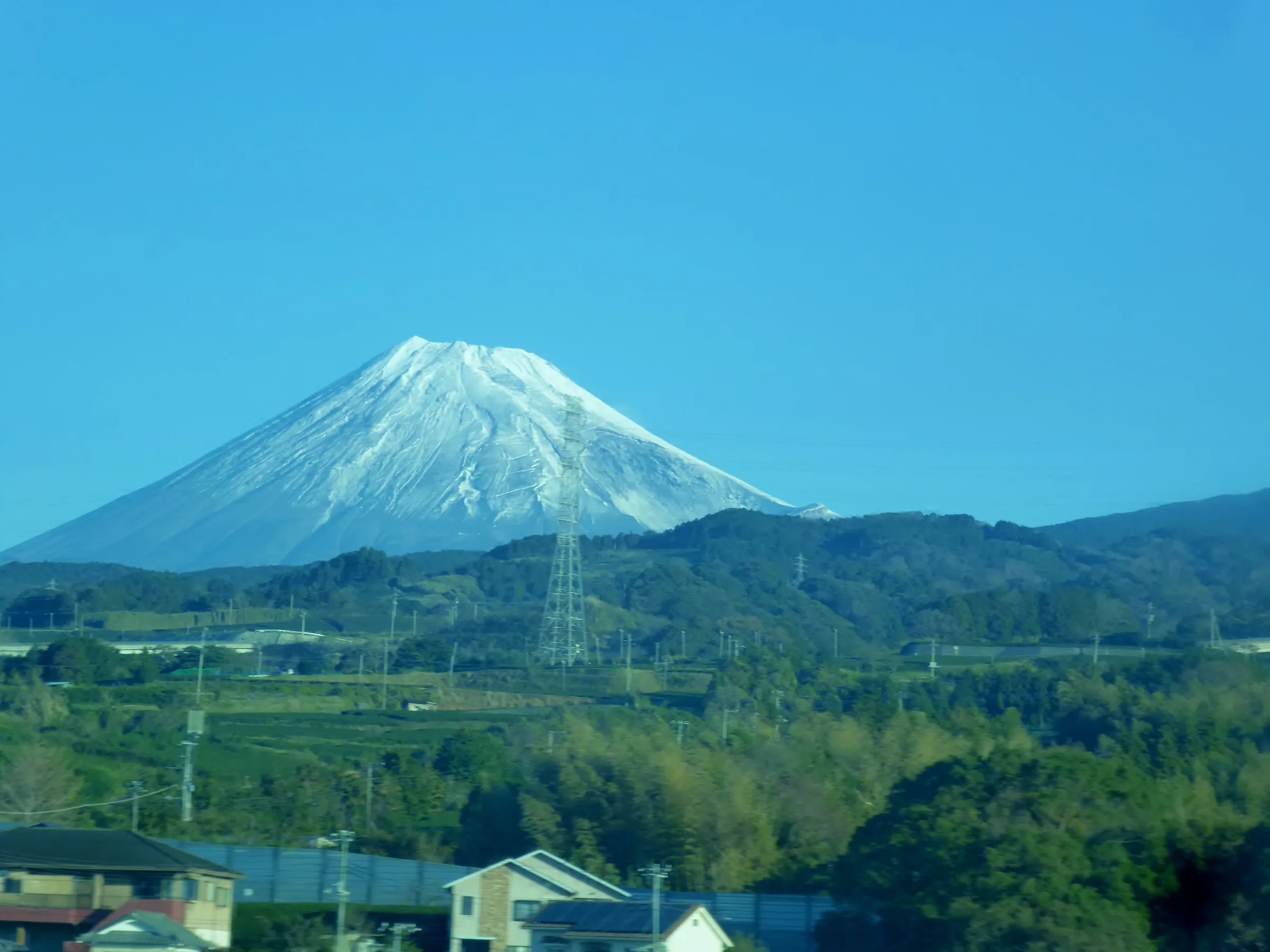
View It or Climb It, and Which Trail?
A Mount Fuji trip changes completely depending on whether you want a landscape viewpoint or a regulated summit climb, so choose the experience before transport and lodging.
Zambia / Zimbabwe
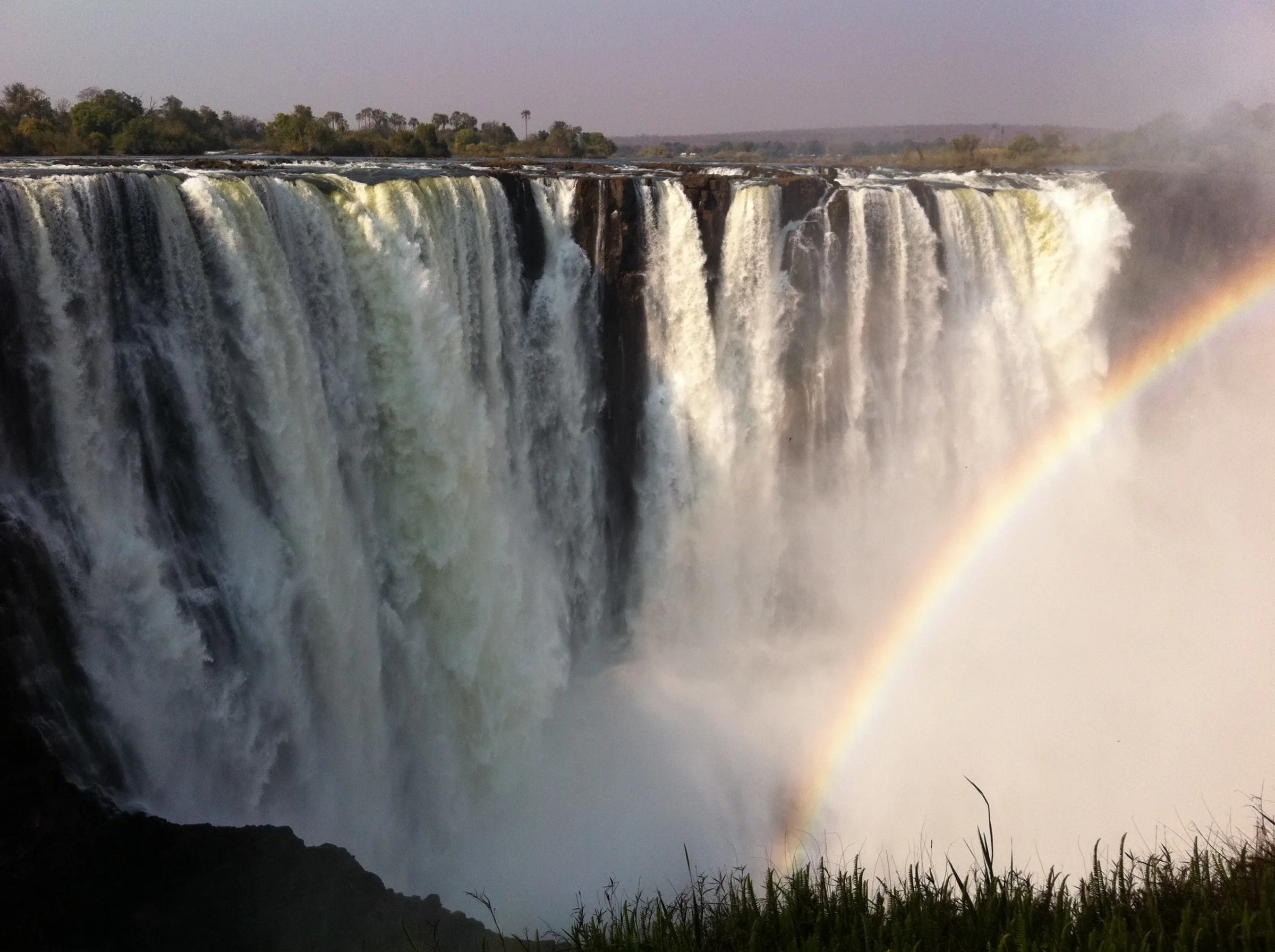
Zambia Side, Zimbabwe Side or Both?
Treat the falls as two separate national-park visits around one transboundary World Heritage property: choose the Zambia or Zimbabwe side first, then decide whether border time is worth adding for the second viewpoint system.
Tanzania
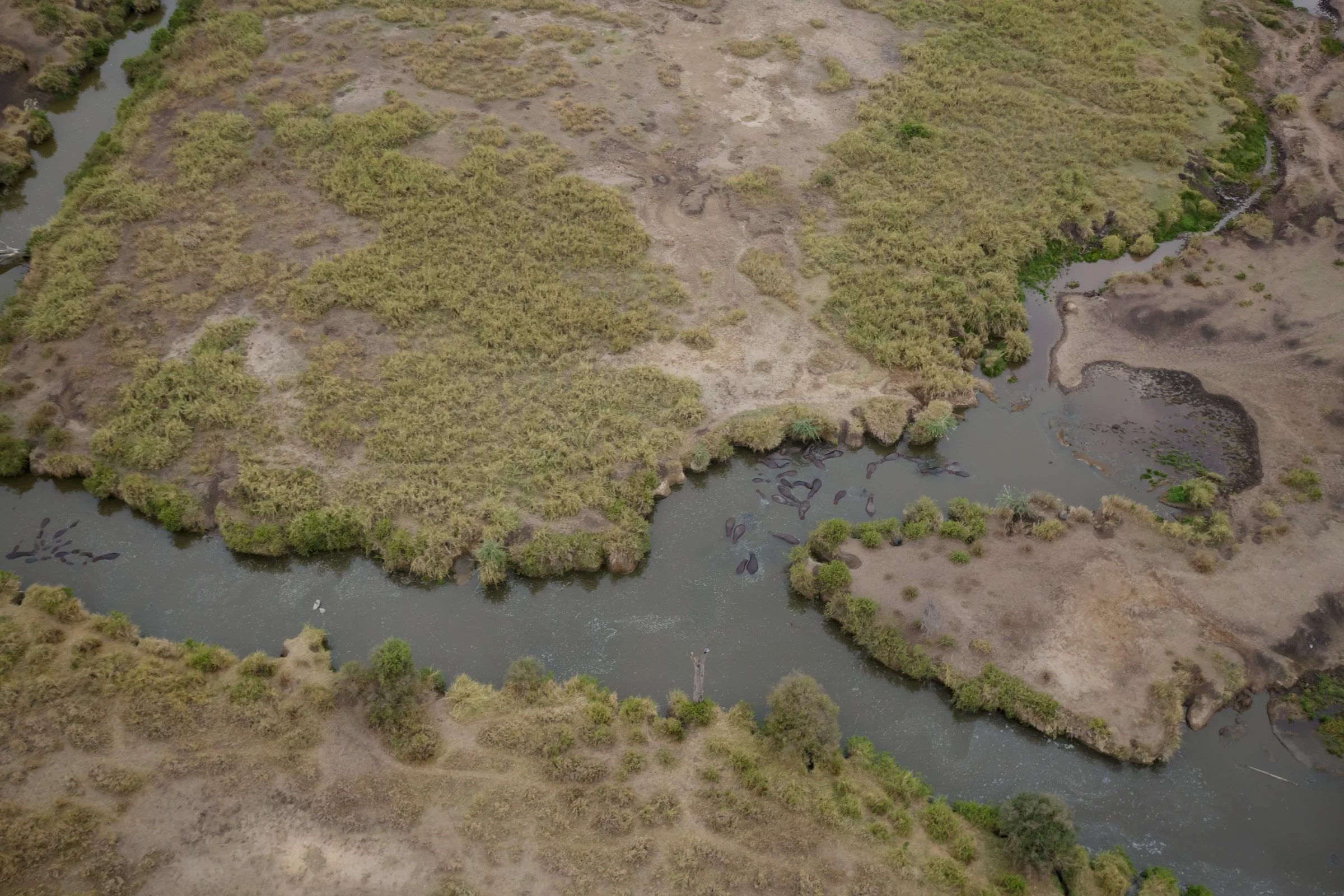
Which Sector and Season Match Your Safari?
Choose Serengeti by sector × season rather than by a generic migration label: central Seronera, southern plains, western corridor and northern reaches differ in habitat, travel time and the wildlife patterns they support through the year.
New Zealand
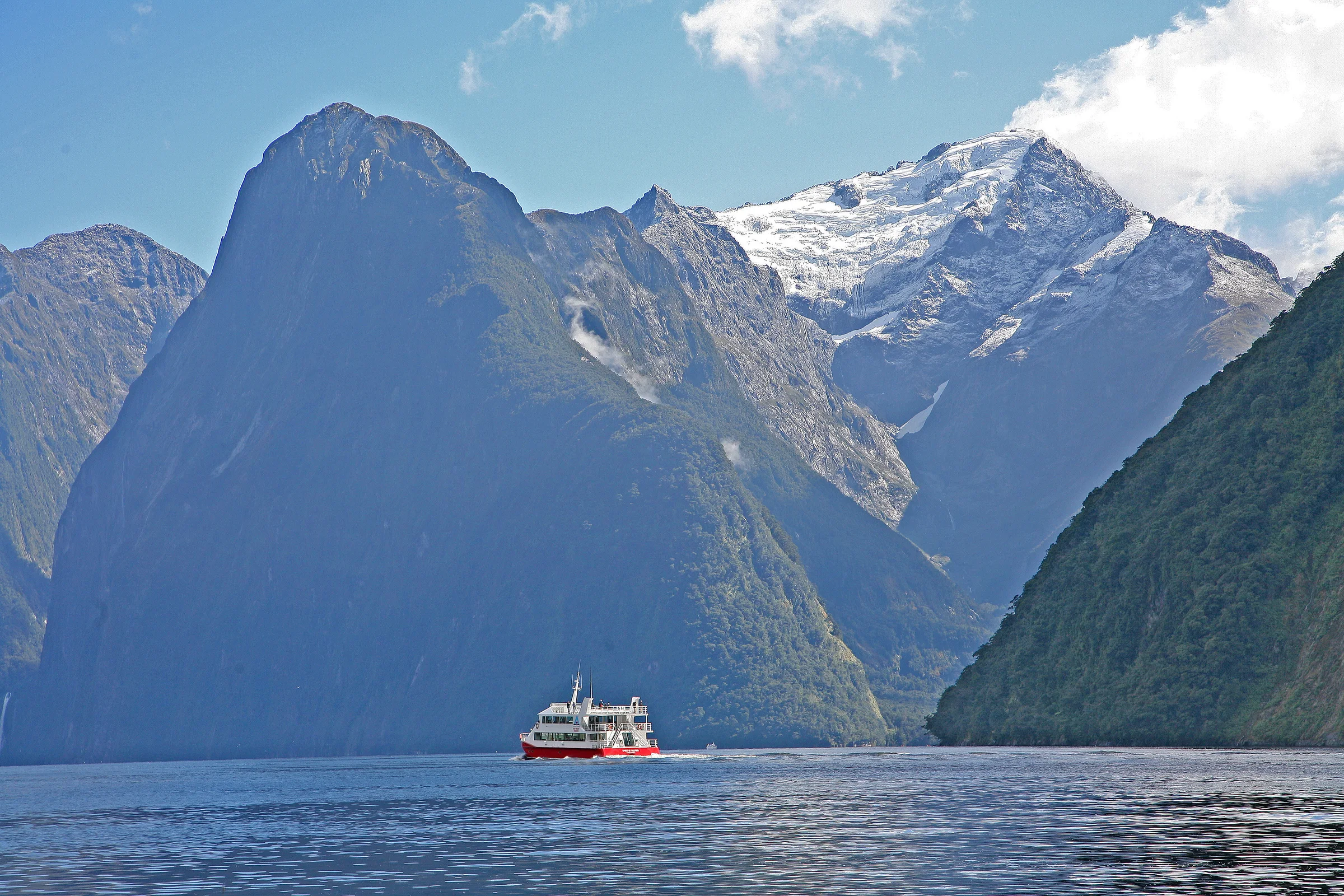
Self-Drive, Coach or Stay Overnight?
The fjord itself is only one part of the visit: the remote Milford Road, parking, weather, cruise timing and the long approach from Te Anau or Queenstown shape the day.
Compare before you go
Minimum time is an editorial planning baseline, not a promise about queues, weather or personal pace.
| Place | Minimum time | Reserve | Walking & access | Gateway | Plan around |
|---|---|---|---|---|---|
| Grand CanyonUnited States | Full day at one rim; overnight for a less compressed visit | Moderate | Low at selected overlooks; extreme below the rim | Grand Canyon Village, Tusayan or the North Rim | The rims are hours apart by road and should not share one casual day. |
| Iguazu FallsArgentina & Brazil | One full day for one side; two days if you want both parks without rushing the border | Moderate | Moderate: long boardwalks, stairs and exposed wet surfaces | Puerto Iguazu and Foz do Iguacu | Argentina and Brazil operate separate park systems, so tickets, transfers and border rules need separate checks. |
| Great Barrier ReefAustralia | Full day on the water; longer for island or outer-reef stays | High | Low on land; swimming ability and vessel motion matter more | Queensland coast, including Cairns and the Whitsundays | Operator, vessel and reef zone define the actual experience. |
| Mount FujiJapan | Half to full day for a viewpoint trip; overnight planning is common for a summit climb | High | Low for viewpoints; very high for summit routes with more than 1,000 m of elevation gain | Tokyo, Kawaguchiko, Fujiyoshida, Gotemba and Fujinomiya | Outside the official climbing season, summit trails are closed. During the season, rebuild the plan from the current-year official season, registration and alerts rather than carrying forward last year’s rules. |
| Victoria FallsZambia / Zimbabwe | Half day for one side; full day or more if crossing the border and adding river or gorge activities | Moderate | Moderate on wet, exposed viewpoints and paths; activity-based excursions can be much higher effort | Livingstone and Victoria Falls | Zimbabwe’s Victoria Falls National Park and Zambia’s Mosi-oa-Tunya side operate separately; a two-side day adds a real international border crossing and separate current visitor rules. |
| Serengeti National ParkTanzania | At least two to three safari days; longer when combining distant sectors or Ngorongoro | High | Low in standard game-drive itineraries; heat, vehicle time and remote conditions matter more than walking distance | Arusha, Kilimanjaro and regional Serengeti airstrips | The Great Migration is a moving ecosystem process, not a fixed attraction; no sector or lodge can promise the same migration phase year-round. |
| Milford Sound / PiopiotahiNew Zealand | Full day from Te Anau; very long day from Queenstown; overnight stays reduce transport pressure | High | Low for a standard cruise day; roadside walks and alpine tracks vary from easy to expert | Te Anau and Queenstown | Milford Road is a remote alpine approach with limited facilities; cruise timing must include substantial travel and parking margin. |
Featured decision
Which Gateway and Reef Trip?
A reef visit begins with gateway, vessel, travel time, water confidence and operator standards rather than one universal excursion.
Related planning
The planning desk keeps ticket, timing, access and responsible-visit checks together.
Visit responsibly
Use designated access, follow protected-area rules and choose operators whose practices reduce pressure on wildlife and habitat.
Read the responsible visit frameworkSource-aware guidance
Designation describes why a place is protected. Visitor authorities describe how current access works. They are not interchangeable.