Choose your visit
Argentina circuit-first day
Best for visitors who want time on the walkways. Pair the Upper and Lower circuits with Devil’s Throat only when current openings and mobility fit your group; the Lower Walk includes stairs.
Argentina & Brazil · Nature
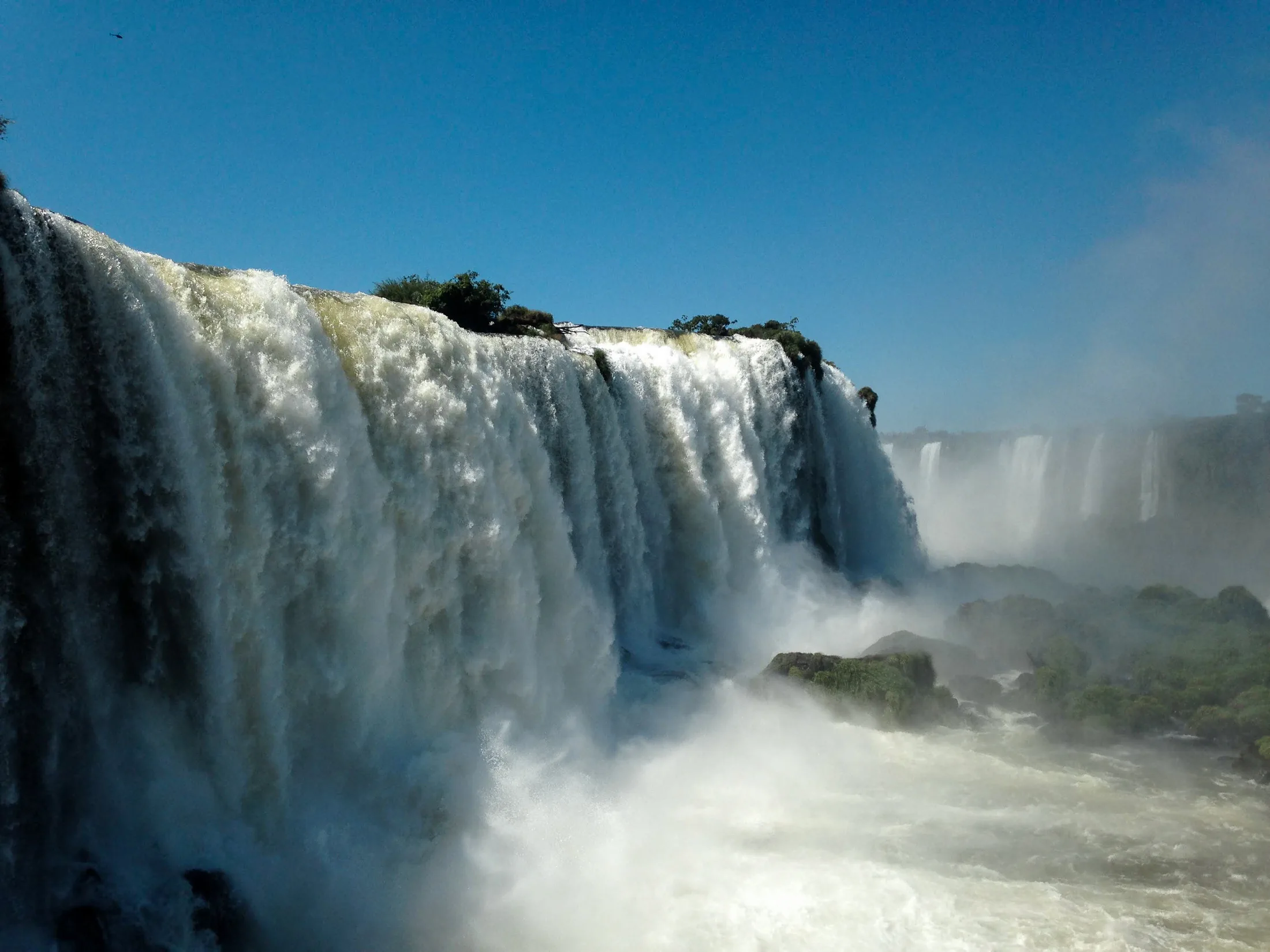
Argentina Side, Brazil Side or Both? Argentina puts you inside the circuit network; Brazil gives the broad panorama. Crossing between them adds a separate park system, ticket channel and transfer plan.
Start with the decision25.6953 S / 54.4367 W · checked 2026-08-31
Quick decision
Plan Iguazú by side first. Argentina gives a network of Upper, Lower, Devil’s Throat and Macuco routes with different distances and access limits; Brazil’s Polo Cataratas is a separate national-park visit managed through ICMBio-linked visitor channels. Check water level, weather and circuit status close to travel, especially if Devil’s Throat is central to the day.
Argentina puts you inside the circuit network; Brazil gives the broad panorama. Crossing between them adds a separate park system, ticket channel and transfer plan.
Open the deep planning guideQuick answers
These are planning baselines from the researched registry, not live promises about queues, weather, closures or availability.
Deep planning guide
Plan Iguazú by side first. Argentina gives a network of Upper, Lower, Devil’s Throat and Macuco routes with different distances and access limits; Brazil’s Polo Cataratas is a separate national-park visit managed through ICMBio-linked visitor channels. Check water level, weather and circuit status close to travel, especially if Devil’s Throat is central to the day.
Research reviewed . Recheck volatile visitor rules before travel.
Choose your visit
Best for visitors who want time on the walkways. Pair the Upper and Lower circuits with Devil’s Throat only when current openings and mobility fit your group; the Lower Walk includes stairs.
Choose your visit
Add Macuco only if a rough 7 km jungle trail is part of the reason for coming. It is a different physical day from the main waterfall boardwalks.
Choose your visit
Use Polo Cataratas for the broad frontal view from the Brazilian side. Treat it as its own park visit with a separate concession and visitor channel.
Time plan
Use official distances, operating patterns and access rules as planning boundaries, not as promises about your exact pace.
The Argentine routes work best as a connected train-and-boardwalk day. Prioritize the waterfall circuits first, then add extra walking only if the current status and your energy allow.
Brazil adds a separate visitor system, while Macuco adds a substantial jungle walk. Give either one its own time block instead of folding it into the main circuit day.
Arrival, walking & timing
Arrival logistics, physical effort and seasonal operating conditions should be resolved independently before they are combined into one itinerary.
Arrival strategy
Choose the side and circuit set before booking transfers.
Walking & access
Accessibility changes by circuit, not just by country.
Timing & season
River level, rain and safety conditions can close walkways even when the park remains open.
Common mistakes
These are planning mistakes supported by the operating rules and route structure of Iguazu Falls, not generic travel warnings.
Official descriptions distinguish stair-free routes from the Lower Walk’s stair sections and the rough Macuco Trail.
The operator and park guidance state that routes can open or close according to weather and safety conditions.
They are separate national-park visitor systems, with separate tickets, transfers and official channels to check.
Recheck before travel
These are the details most likely to deserve a fresh official check near departure.
Check current weather and safety closures for the walkways you plan to use.
Use the ICMBio-linked official concession site for current Polo Cataratas access and ticket details.
Practical FAQ
Answers are intentionally bounded to what the cited official sources support.
Read the place
Coordinates and heritage status are included only where they help explain the operating landscape, protected context or visitor decision.
Plan the day
The sequence is deliberate: first confirm what controls entry, then how you move through the place, then when conditions and crowds are likely to matter.
01 · Access
Argentina and Brazil operate separate park systems, so tickets, transfers and border rules need separate checks.
Reservation riskModerate
02 · Movement
Choose Puerto Iguazu or Foz do Iguacu, then plan border time if crossing
WalkingModerate: long boardwalks, stairs and exposed wet surfaces
03 · Timing
Trains, shuttle buses and major platforms create arrival waves at key viewpoints.
SeasonHigh water, heat, storms and walkway closures can reshape the day.
Visit responsibly
Stay on boardwalks, secure food and never feed wildlife inside either national park.
Read the responsible visit frameworkOfficial sources
Visitor authorities are used for current access context; designation sources explain protected status. Last checked baseline: .
Continue by place type
These are related by primary planning context, not by a claim that one place is more important than another.
United States
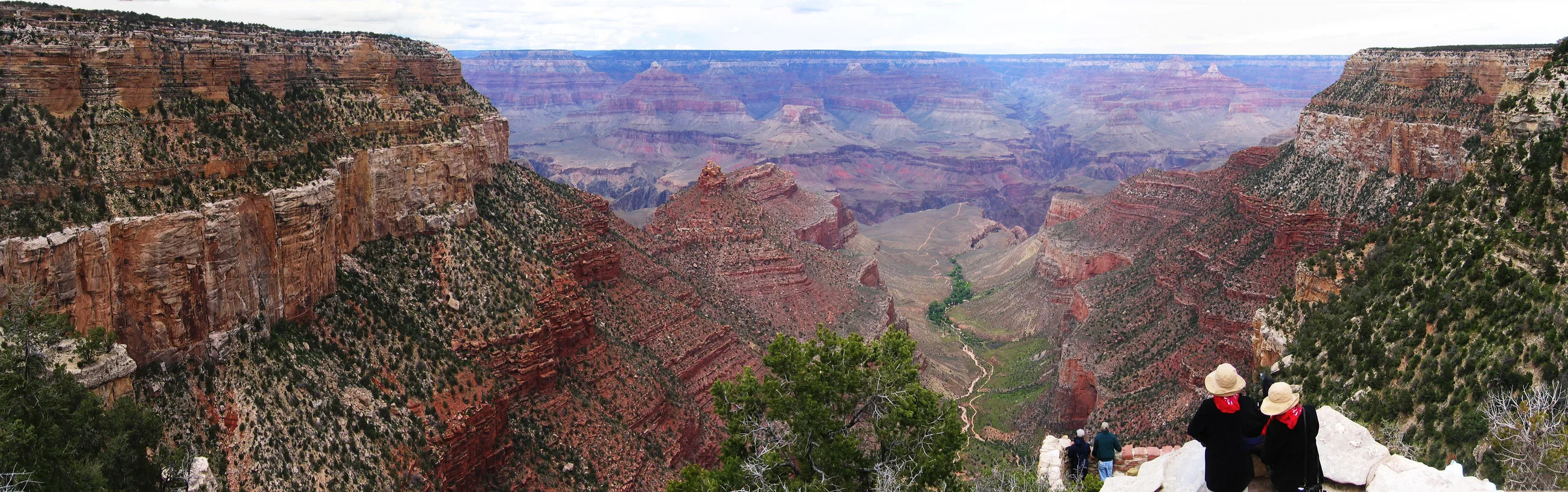
South Rim, North Rim or a Day Tour?
The rim and gateway determine season, drive time, services and whether the day leaves room to walk.
Australia
Which Gateway and Reef Trip?
A reef visit begins with gateway, vessel, travel time, water confidence and operator standards rather than one universal excursion.
Japan
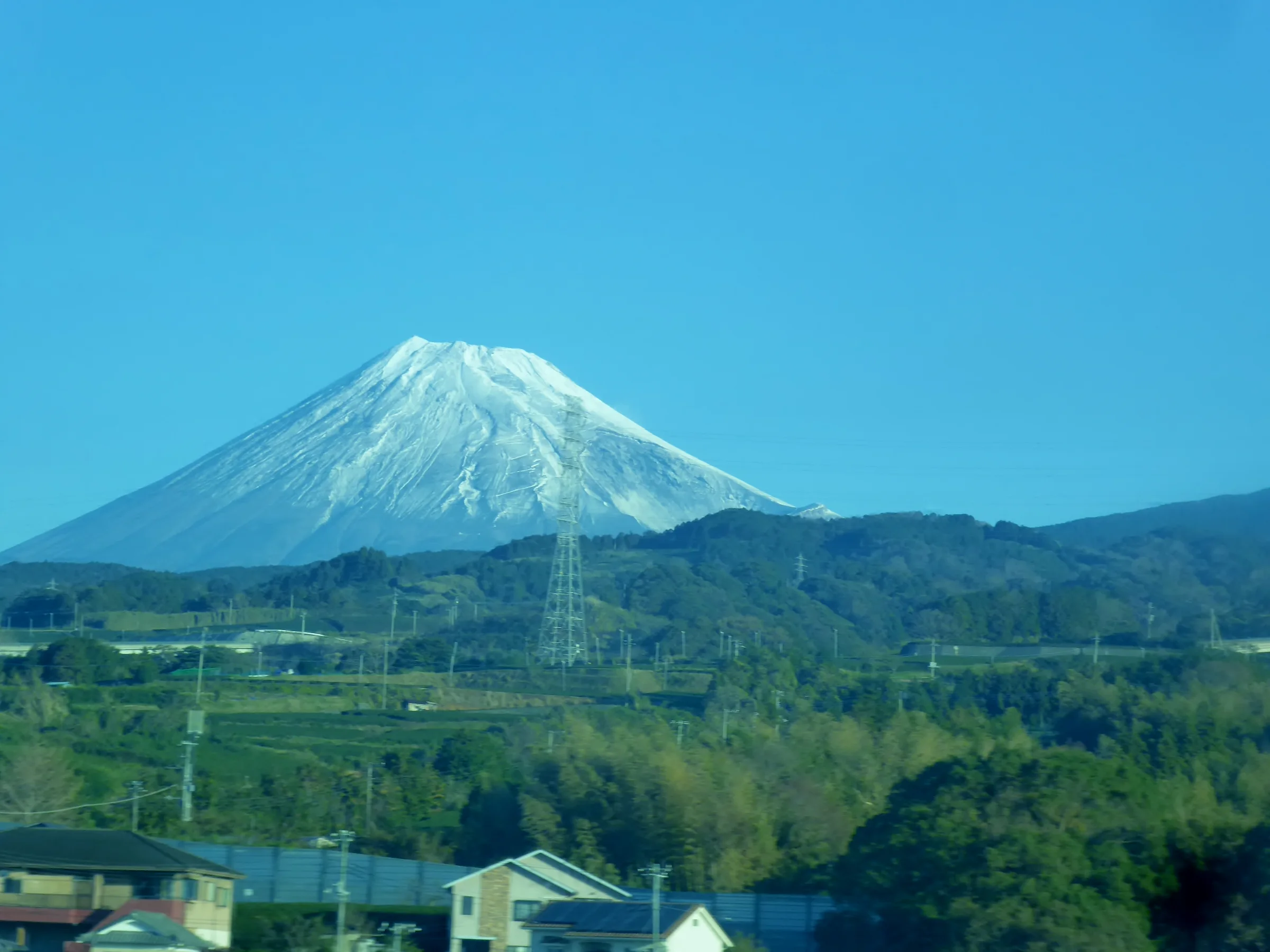
View It or Climb It, and Which Trail?
A Mount Fuji trip changes completely depending on whether you want a landscape viewpoint or a regulated summit climb, so choose the experience before transport and lodging.