Choose your visit
South Rim first visit
Use the South Rim when you want the most flexible first visit: it is open year-round, contains Grand Canyon Village and Desert View, and has the park’s main visitor-service and shuttle network.
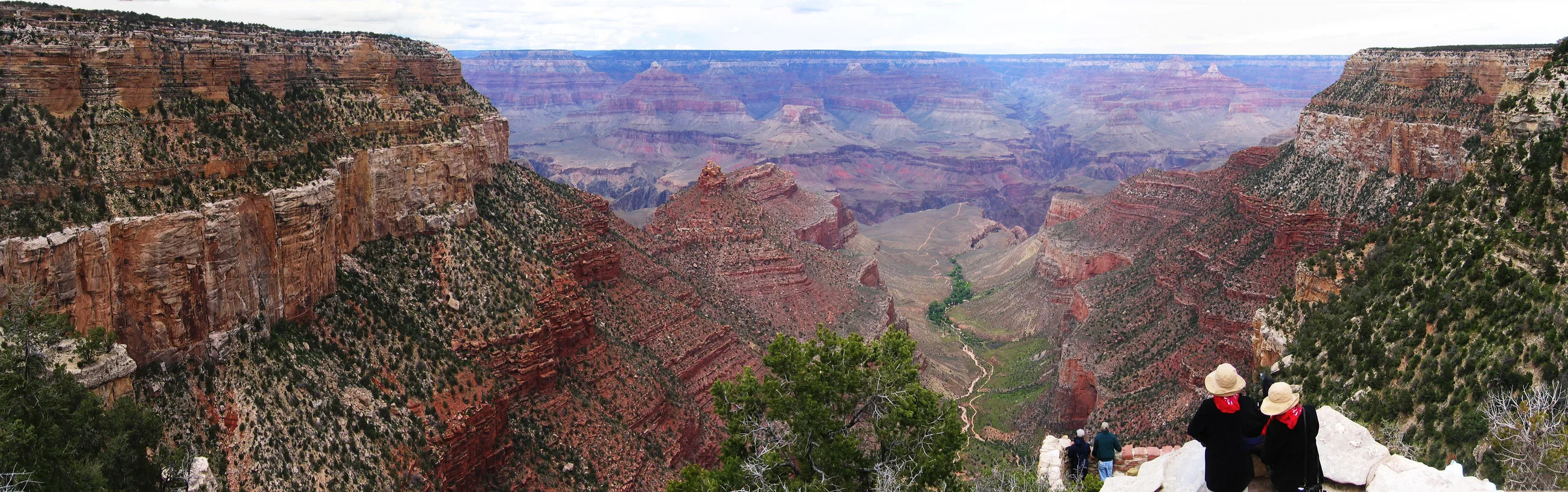
United States · Nature
South Rim, North Rim or a Day Tour? The rim and gateway determine season, drive time, services and whether the day leaves room to walk.
Start with the decision36.1069 N / 112.1129 W · checked 2026-08-31
Quick decision
Choose the rim before you choose lodging, driving route or hiking ambition. The South Rim is the year-round, higher-service first-visit base; the North Rim is seasonal and substantially farther away by road than the view across the canyon suggests.
The rim and gateway determine season, drive time, services and whether the day leaves room to walk.
Open the deep planning guideQuick answers
These are planning baselines from the researched registry, not live promises about queues, weather, closures or availability.
Deep planning guide
Choose the rim before you choose lodging, driving route or hiking ambition. The South Rim is the year-round, higher-service first-visit base; the North Rim is seasonal and substantially farther away by road than the view across the canyon suggests.
Research reviewed . Recheck volatile visitor rules before travel.
Choose your visit
Use the South Rim when you want the most flexible first visit: it is open year-round, contains Grand Canyon Village and Desert View, and has the park’s main visitor-service and shuttle network.
Choose your visit
Choose the North Rim deliberately for a more remote seasonal visit. Access is by road, the developed rim is well beyond Jacob Lake, and current services and closures should be checked for the specific season.
Choose your visit
Treat hiking below the rim as a separate risk decision rather than a viewpoint add-on. The National Park Service emphasizes that there are no easy trails into or out of the canyon and specifically warns against attempting a rim-to-river-and-back day hike.
Time plan
Use official distances, operating patterns and access rules as planning boundaries, not as promises about your exact pace.
A full day at one rim is a realistic first planning unit. The South and North Rims are separated by the canyon and a road journey of more than 200 miles, so pairing both in one casual sightseeing day is poor route design.
Use extra time for additional viewpoints, shuttle-accessed areas or an appropriately scaled hike before assuming the opposite rim is the next stop. Below-rim travel changes heat, elevation and return effort dramatically.
Arrival, walking & timing
Arrival logistics, physical effort and seasonal operating conditions should be resolved independently before they are combined into one itinerary.
Arrival strategy
Route to the rim you actually intend to visit. The National Park Service describes the South and North Rims as effectively different arrival systems rather than adjacent entrances.
Walking & access
Separate rim walking from below-rim hiking. The South Rim offers developed overlooks and paved trail sections, while any descent into the canyon adds steep return climbing, temperature change and substantially greater risk.
Timing & season
The South Rim is open year-round, while North Rim vehicle access is seasonal. Heat inside the canyon and winter weather on the rims create different risks from the conditions visible at a viewpoint.
Common mistakes
These are planning mistakes supported by the operating rules and route structure of Grand Canyon, not generic travel warnings.
The canyon creates a long road detour. Choose the rim early enough that lodging and driving plans are built around the correct side.
Below-rim day hikes begin with descent and end with the climb back. The park explicitly warns that there are no easy trails into or out of Grand Canyon.
Grand Canyon West Skywalk and Havasupai are not inside Grand Canyon National Park. Verify the operator and land jurisdiction before assuming an attraction is part of the NPS visit.
Recheck before travel
These are the details most likely to deserve a fresh official check near departure.
North Rim conditions can vary by season and year; check the current NPS status immediately before a North Rim trip.
Use current NPS updates for weather-driven road closures, shuttle access and trail conditions rather than relying on an old itinerary.
Match the planned walking depth to current weather at both rim and inner-canyon elevations.
Practical FAQ
Answers are intentionally bounded to what the cited official sources support.
Read the place
Coordinates and heritage status are included only where they help explain the operating landscape, protected context or visitor decision.
Plan the day
The sequence is deliberate: first confirm what controls entry, then how you move through the place, then when conditions and crowds are likely to matter.
01 · Access
The rims are hours apart by road and should not share one casual day.
Reservation riskModerate
02 · Movement
Choose the rim before routing from Arizona, Nevada or Utah
WalkingLow at selected overlooks; extreme below the rim
03 · Timing
Parking and shuttle stops concentrate visitors around South Rim viewpoints.
SeasonSnow, heat and seasonal road or service changes are decisive.
Visit responsibly
Stay back from unprotected edges, never underestimate below-rim heat and follow tribal and park guidance.
Read the responsible visit frameworkOfficial sources
Visitor authorities are used for current access context; designation sources explain protected status. Last checked baseline: .
Continue by place type
These are related by primary planning context, not by a claim that one place is more important than another.
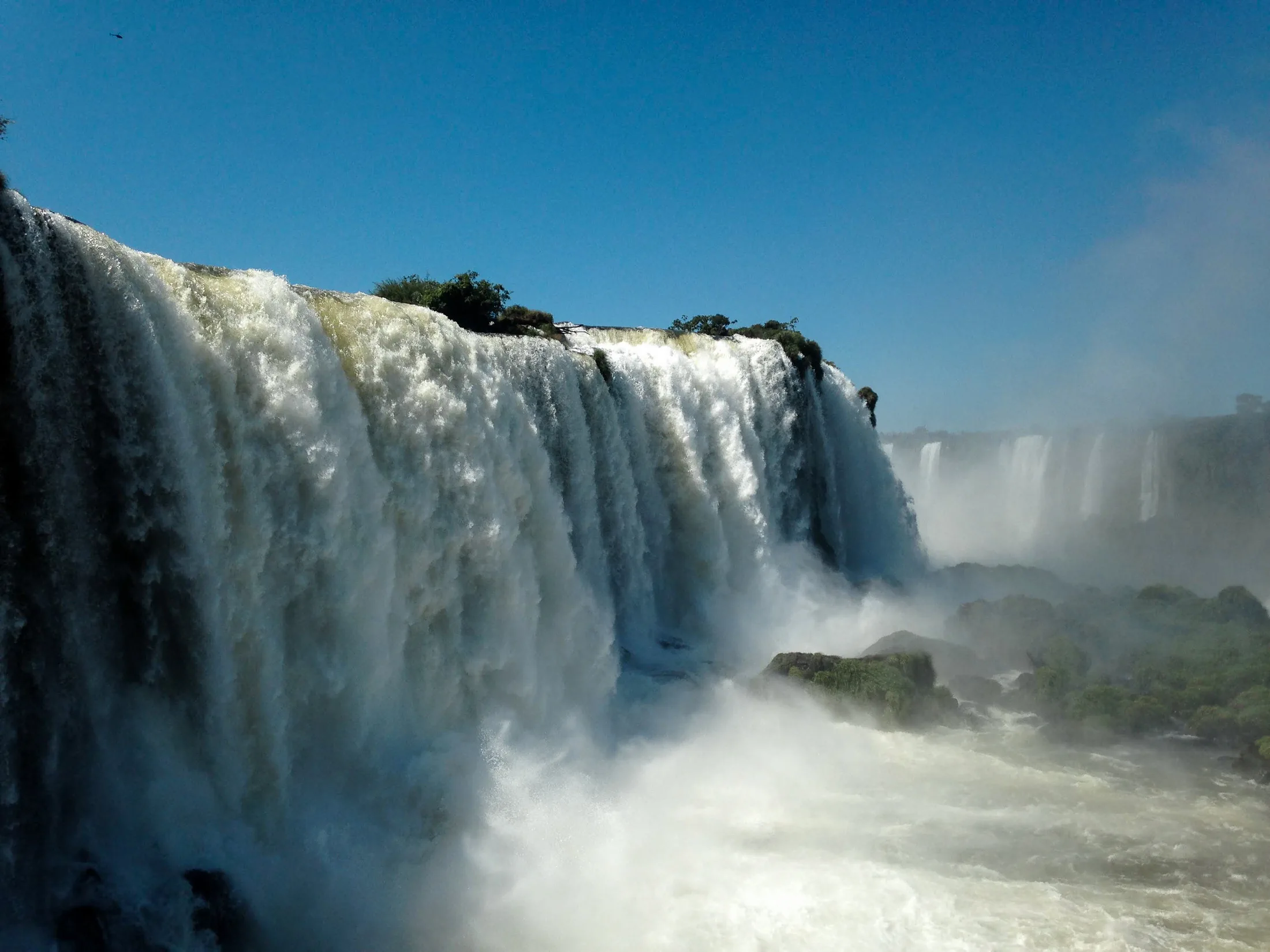
Argentina & Brazil
Argentina Side, Brazil Side or Both?
Argentina puts you inside the circuit network; Brazil gives the broad panorama. Crossing between them adds a separate park system, ticket channel and transfer plan.
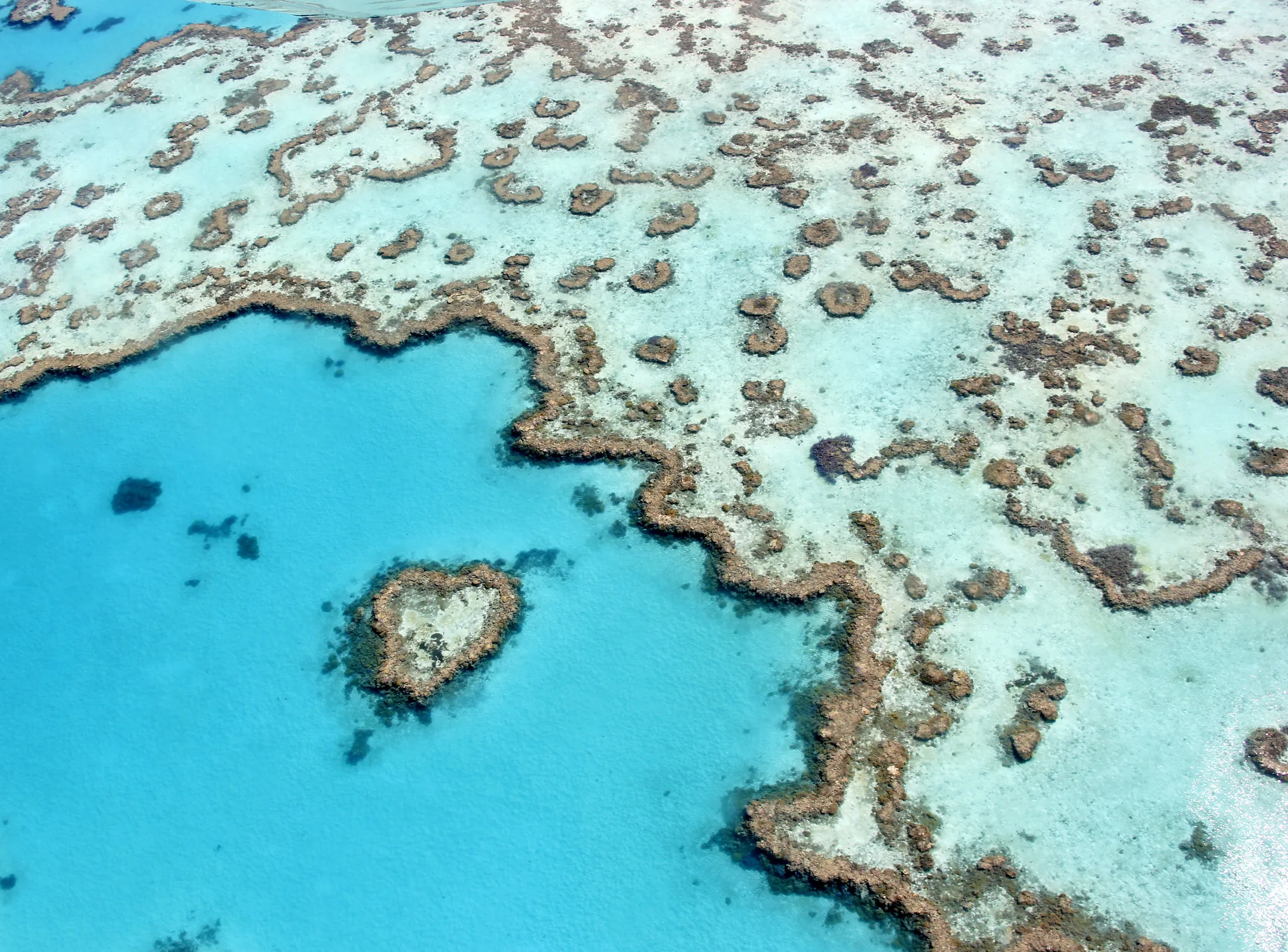
Australia
Which Gateway and Reef Trip?
A reef visit begins with gateway, vessel, travel time, water confidence and operator standards rather than one universal excursion.
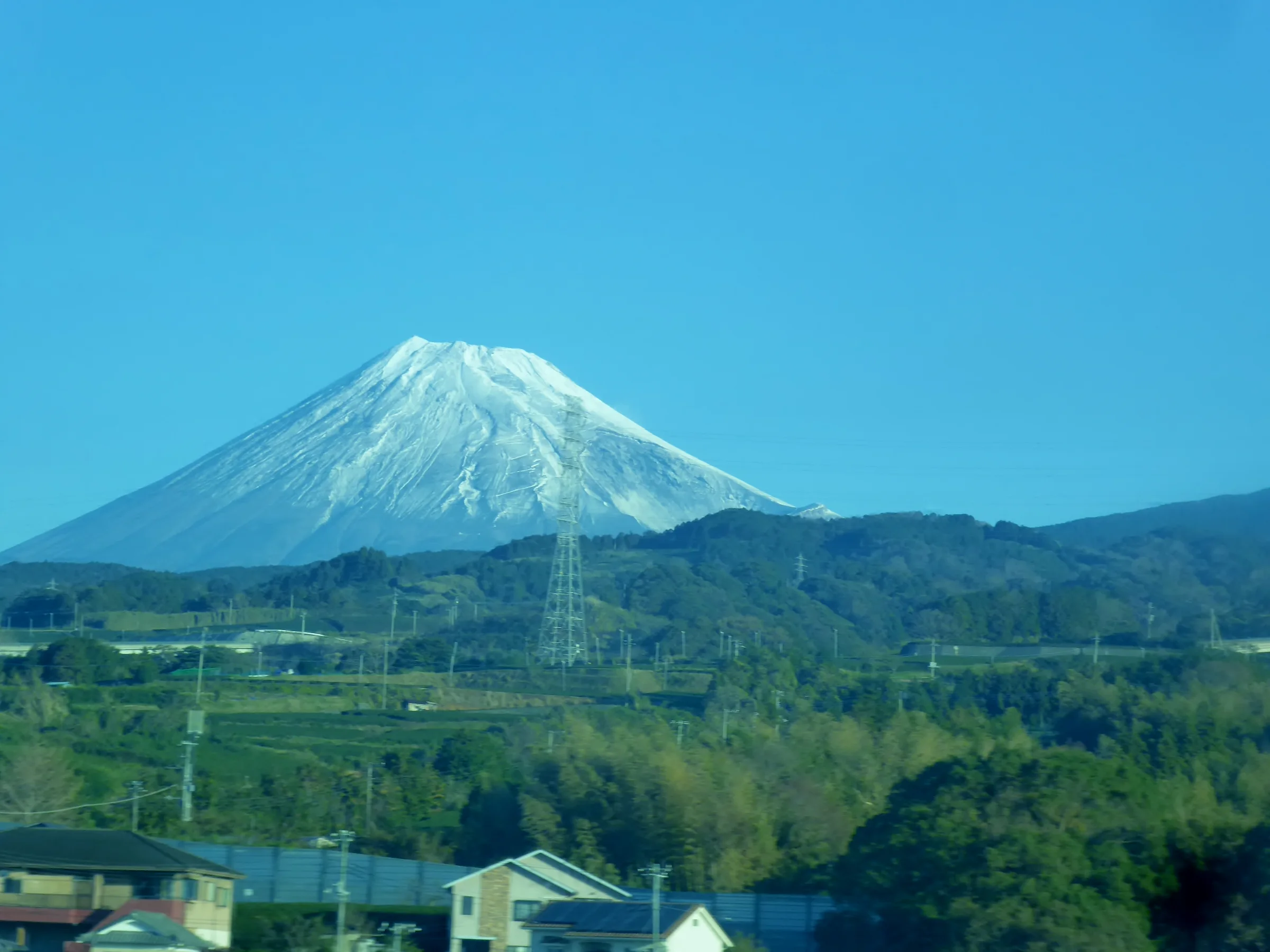
Japan
View It or Climb It, and Which Trail?
A Mount Fuji trip changes completely depending on whether you want a landscape viewpoint or a regulated summit climb, so choose the experience before transport and lodging.