Tickets & passes
What must be reserved before the rest of the trip?
Separate site admission from transport, circuits, guides and add-ons. Recheck the managing authority before purchase.
Plan this decision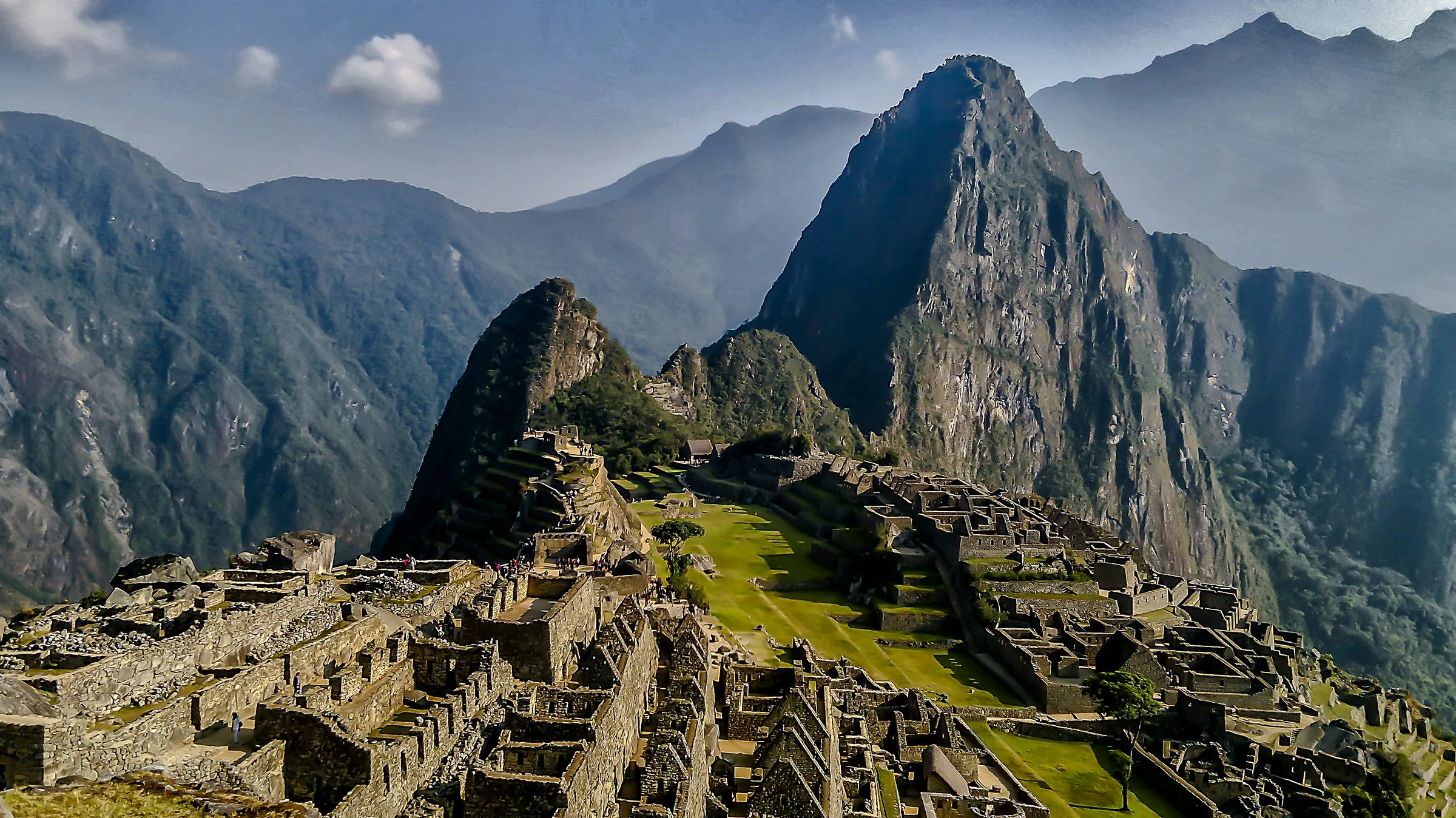
WorldWonders field guide
Archaeological cities and layered sites where routes, terrain and time shape what you can understand.
See all 7 placesRoutes through centuries
Read the scale
Read the site as a landscape, then decide how much ground and history one visit can hold.
Plan by decision
These focused guides turn a place type into a ticket, route or gateway choice.
What you are deciding
Start with the decision that can close a route, stretch a day or make the visit harder than expected.
Tickets & passes
Separate site admission from transport, circuits, guides and add-ons. Recheck the managing authority before purchase.
Plan this decisionTiming & crowds
Opening patterns, heat, weather and group arrivals matter more than a generic best-time list.
Plan this decisionAccess & walking
Gateway transport, steps, uneven ground and return routes decide whether an itinerary is comfortable or rushed.
Plan this decisionResponsible visits
Follow local rules, protect living culture and habitat, and choose access that supports long-term care of the place.
Plan this decisionComplete hub inventory
7 distinct visits, grouped by the planning decision each place asks you to make.
Peru
Which Circuit Should You Book?
A circuit choice controls the viewpoints, terraces and movement you experience inside the sanctuary.
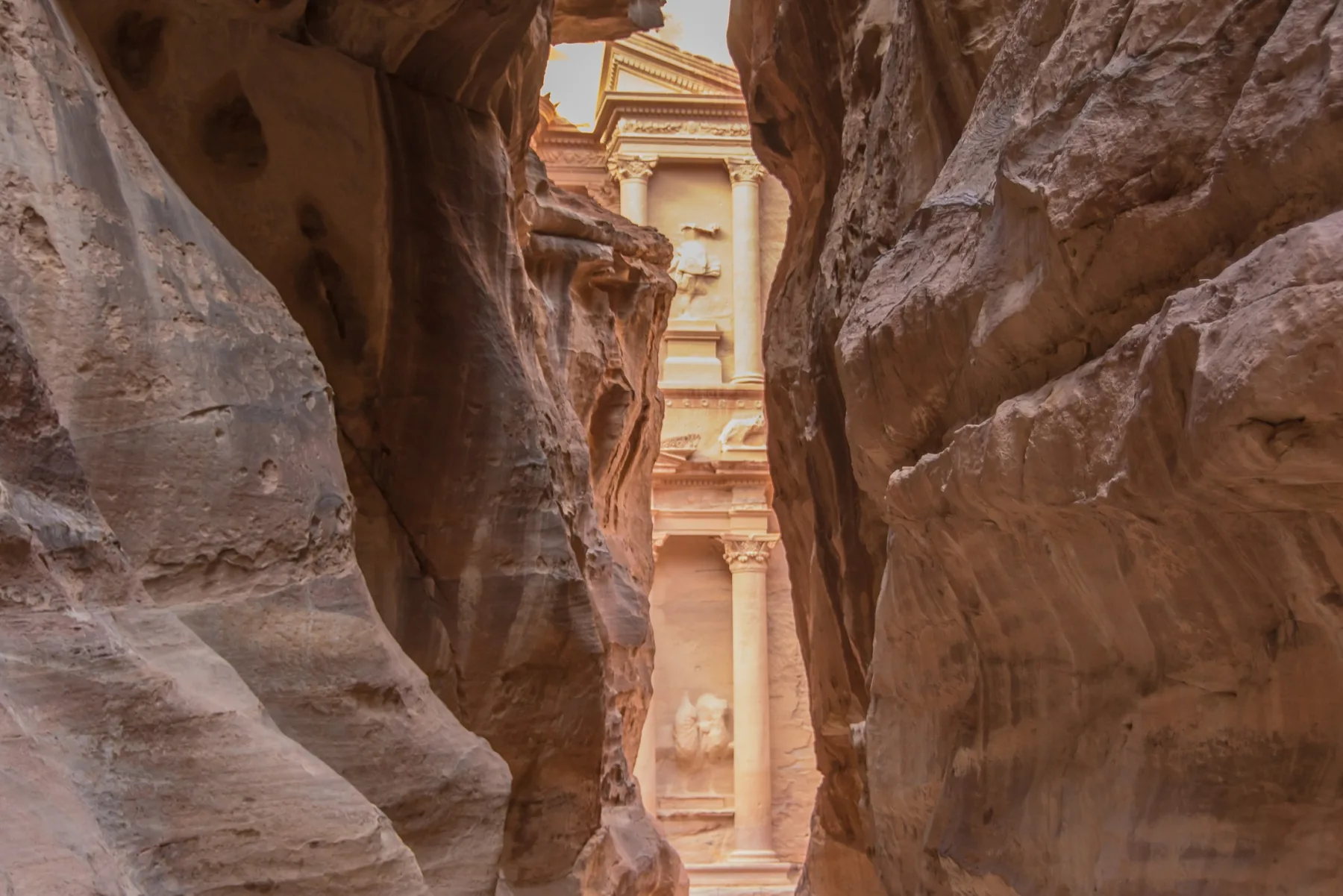
Jordan
One Day or Two?
The main trail reveals only part of a broad archaeological landscape, so time changes the route more than the ticket category.
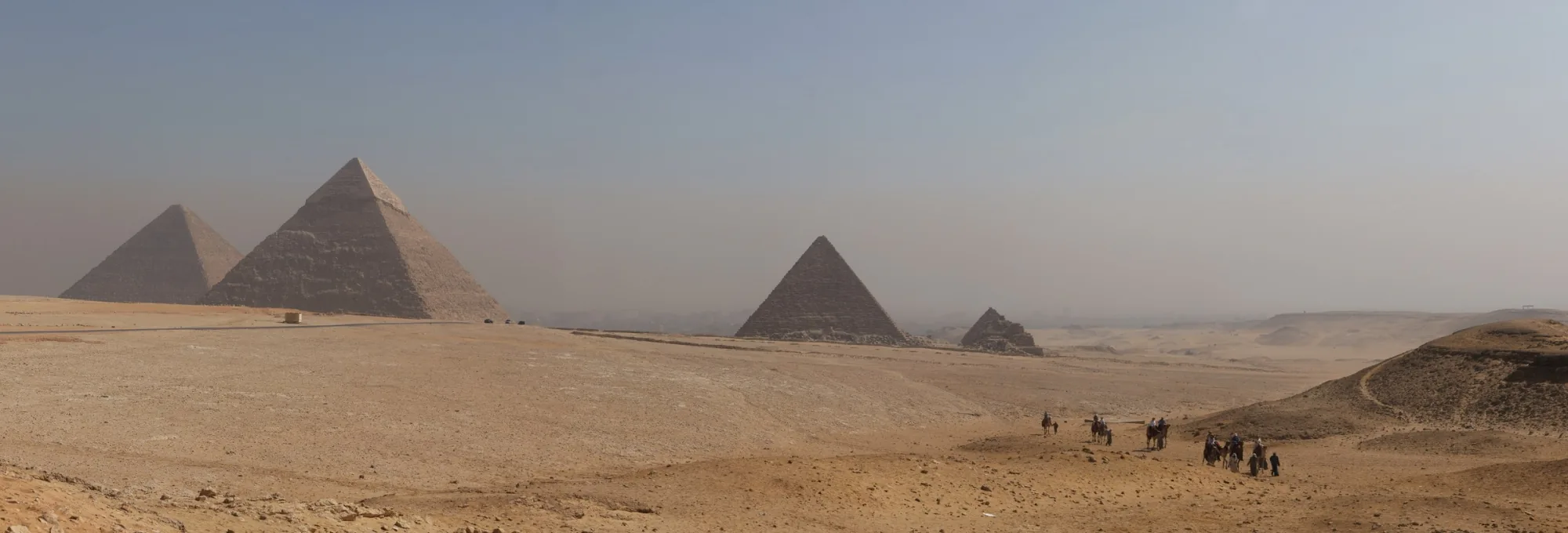
Egypt
Tickets, Plateau Route & Cairo Logistics
Plan the plateau as a hot, exposed archaeological landscape rather than a single roadside photo stop.
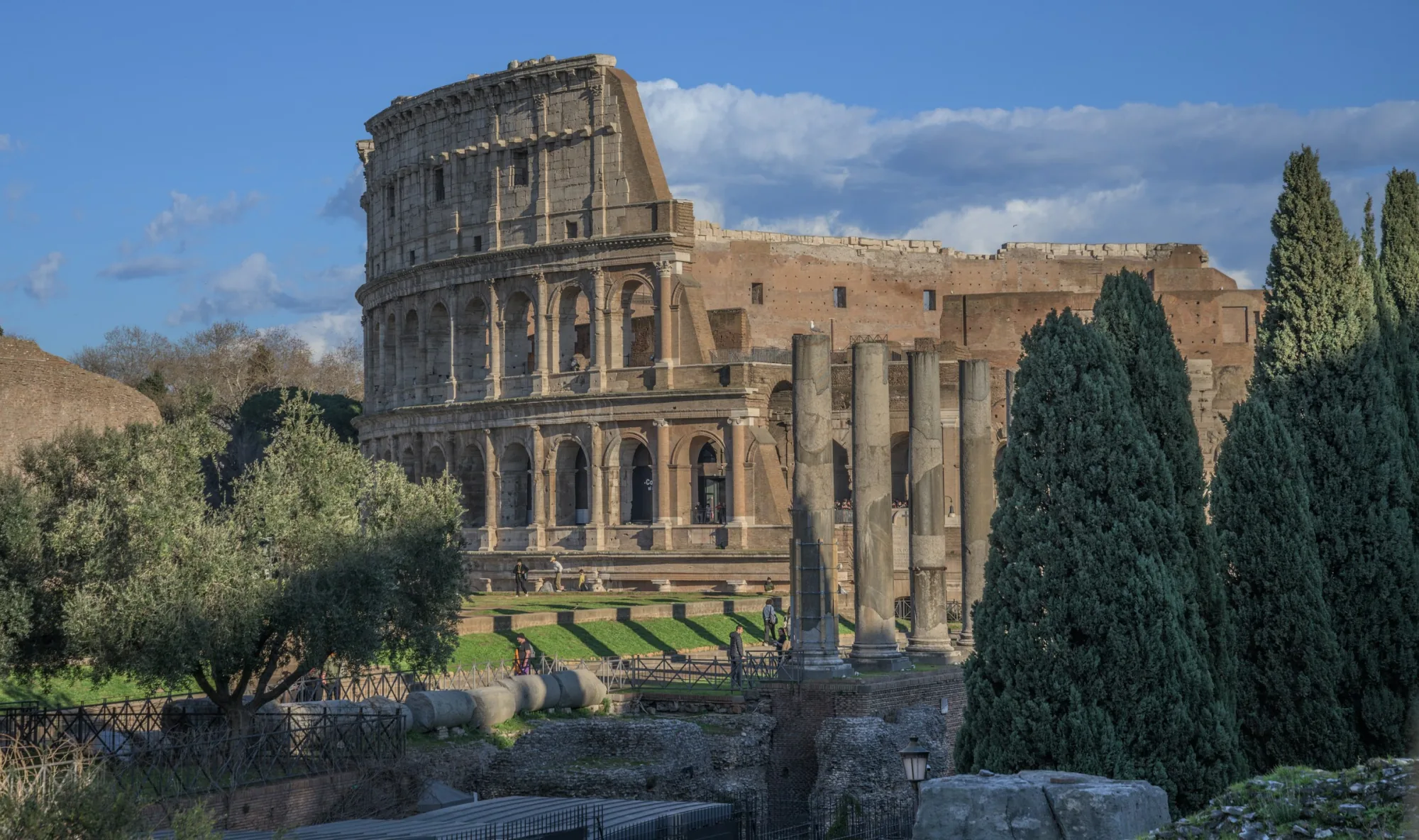
Italy
Which Ticket Do You Need?
Match the timed Colosseum entry to the Forum and Palatine route you can comfortably complete.
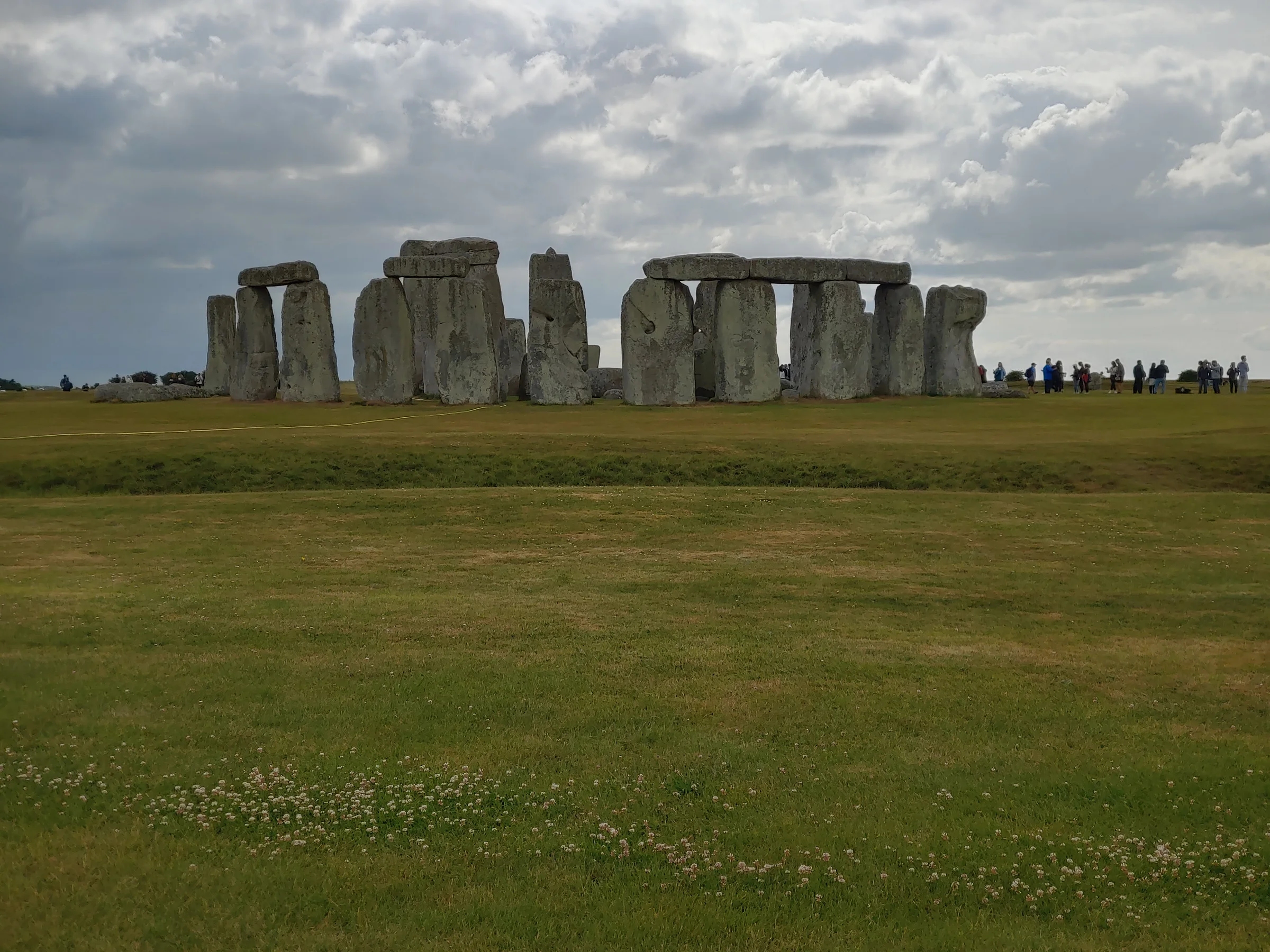
United Kingdom
General Admission or Stone Circle Experience?
Decide whether a standard landscape visit is enough or whether limited inside-the-circle access is worth planning the day around.
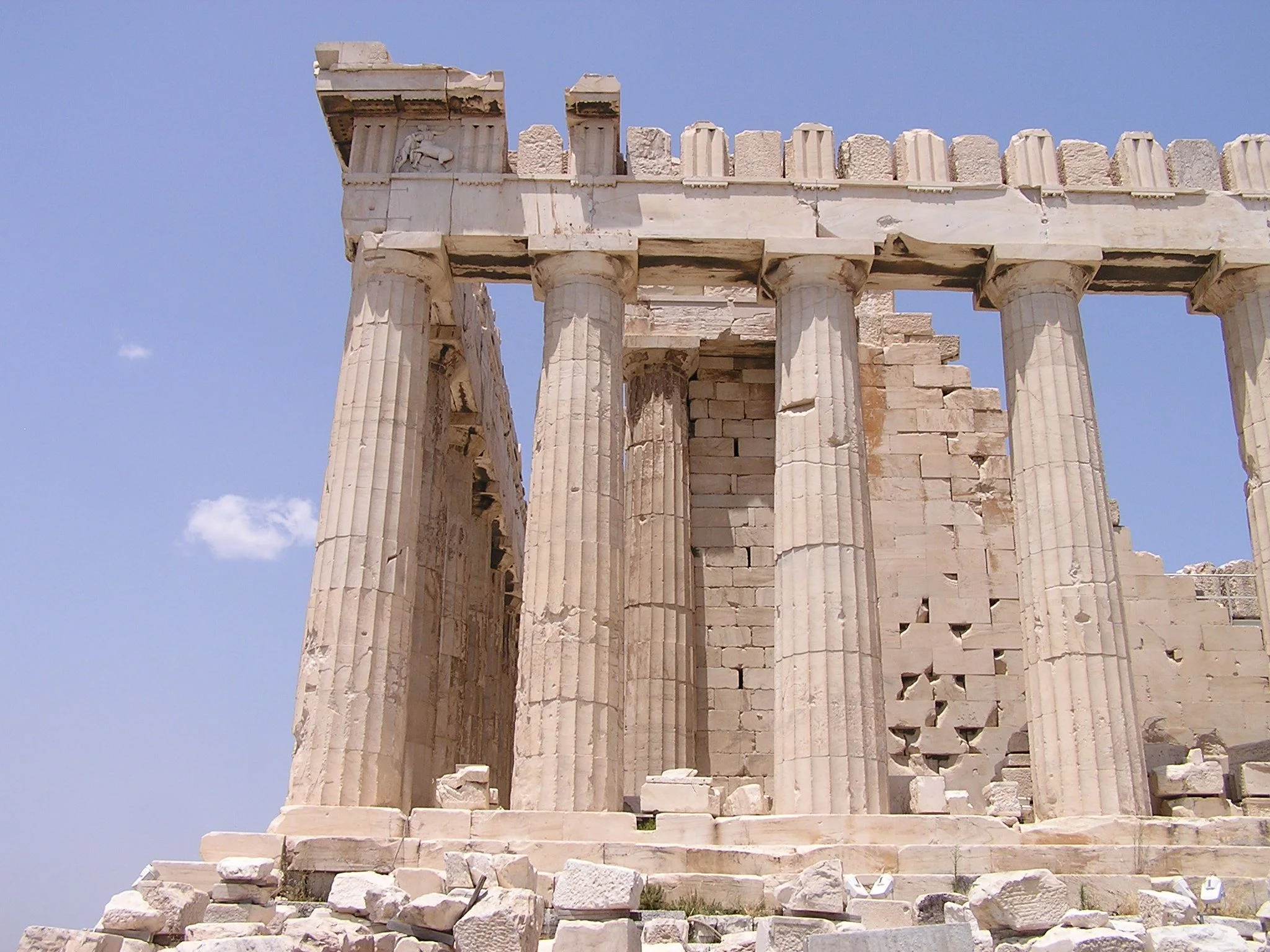
Greece
Acropolis Only or a Wider Archaeological Day?
Treat the Acropolis as a timed archaeological visit first, then decide whether your walking day still has room for the Agora or other ancient sites.
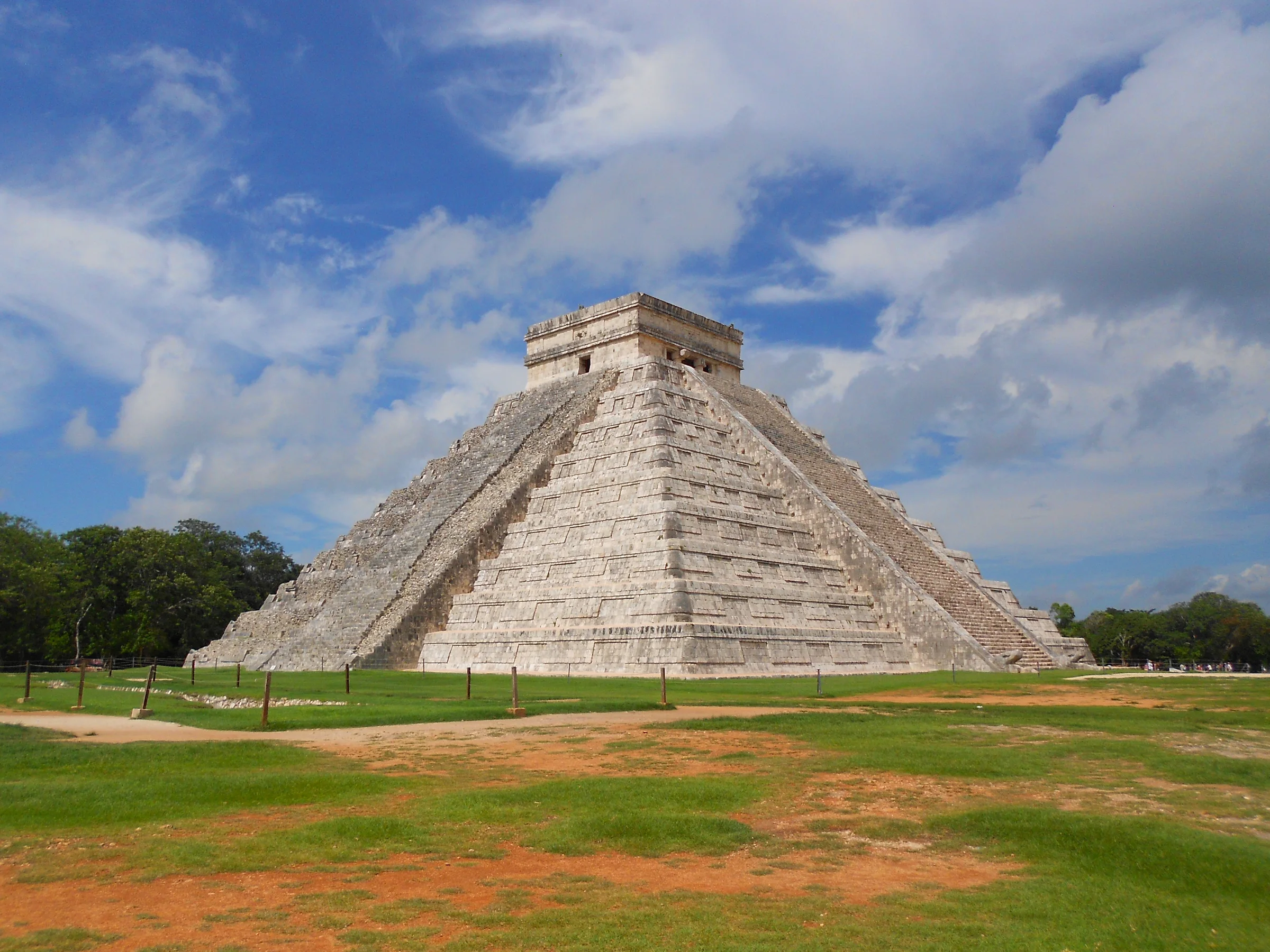
Mexico
Main Archaeological Zone or Add Chichén Viejo?
The standard monumental core and the more controlled Chichén Viejo visit are different time commitments, so decide the scope before treating the site as a quick day-trip stop.
Compare before you go
Minimum time is an editorial planning baseline, not a promise about queues, weather or personal pace.
| Place | Minimum time | Reserve | Walking & access | Gateway | Plan around |
|---|---|---|---|---|---|
| Machu PicchuPeru | Half day on site; allow a full travel day from Cusco | High | High: stone steps, slopes and fixed one-way circuits | Cusco and Machupicchu Pueblo | Your entry circuit determines where you may walk. |
| PetraJordan | One long day; two days for a wider trail network | Moderate | High: long distances, sand, stone and optional climbs | Wadi Musa | Return distance grows quickly beyond the main trail. |
| Pyramids of GizaEgypt | Half day on the plateau; longer with interior entries | Moderate | Moderate to high: exposed distances and uneven surfaces | Cairo and Giza | Plateau entry and individual pyramid interiors are separate decisions. |
| Colosseum & Roman ForumItaly | Three hours minimum; half day for a measured combined visit | High | Moderate to high: stone, steps, sun and limited seating | Rome | Ticket inclusions and entry windows vary by route. |
| StonehengeUnited Kingdom | About two hours for a focused standard visit; longer if walking the wider landscape | High | Low to moderate by shuttle; higher if walking the 4 km return landscape route | Salisbury and Amesbury | General admission does not normally include walking inside the stone circle. |
| Acropolis of AthensGreece | Two to three hours for the Acropolis itself; half to full day with additional archaeological sites | High | Moderate to high: steep approaches, polished stone, stairs and exposed sun | Central Athens | An Acropolis ticket and a wider Athens archaeology plan are separate scope decisions. |
| Chichén ItzáMexico | Half day for the principal zone; longer when Chichén Viejo or the site museum is part of the plan | Moderate | Moderate: exposed paths, heat and a large archaeological footprint | Pisté and Valladolid, with longer approaches from Mérida or Cancún | Chichén Viejo is a controlled guided visit that requires on-site reservation and additional walking time. |
Featured decision
Which Circuit Should You Book?
A circuit choice controls the viewpoints, terraces and movement you experience inside the sanctuary.
Related planning
The planning desk keeps ticket, timing, access and responsible-visit checks together.
Visit responsibly
Stay on designated routes, follow local guidance and treat living cultural landscapes as more than photo settings.
Read the responsible visit frameworkSource-aware guidance
Designation describes why a place is protected. Visitor authorities describe how current access works. They are not interchangeable.