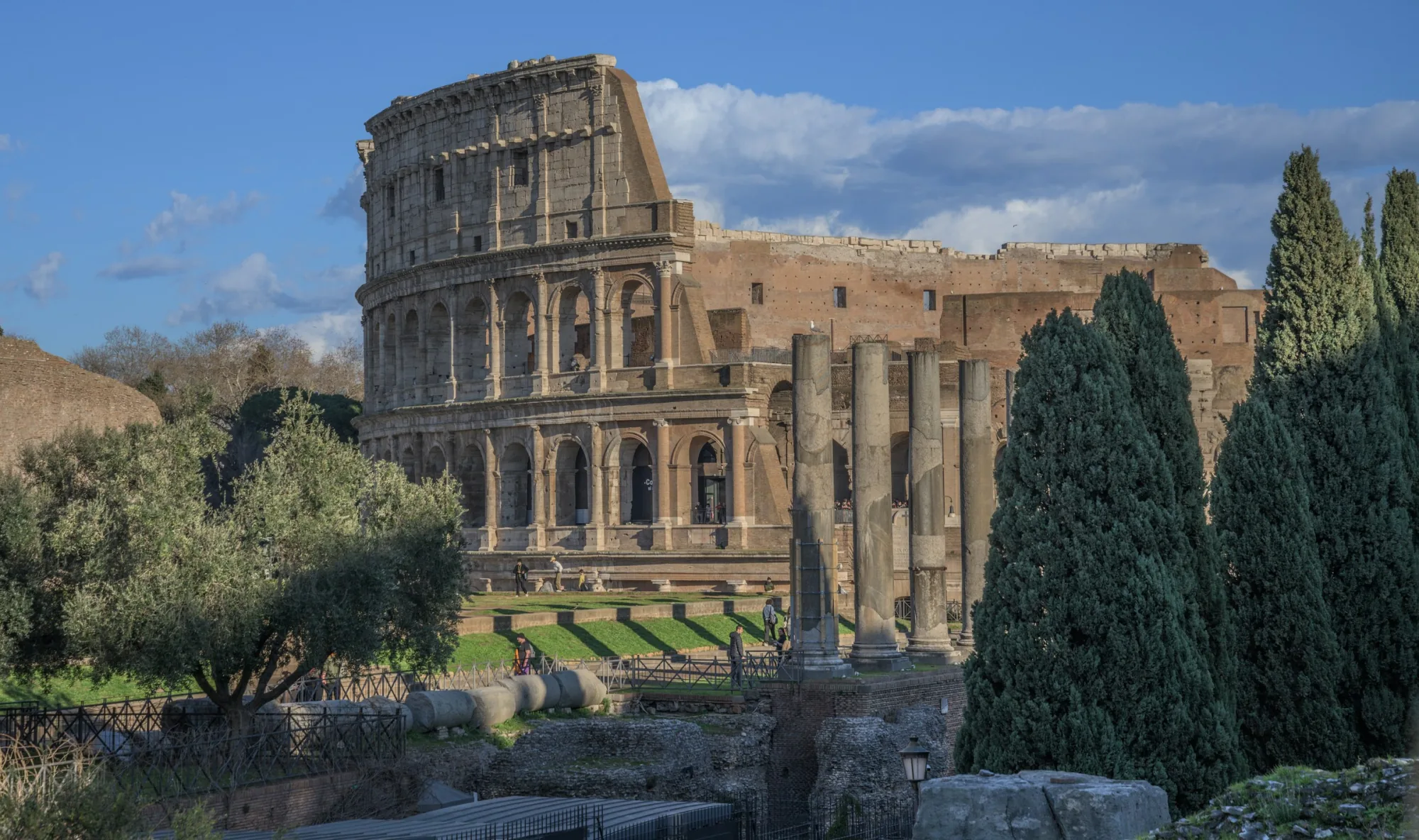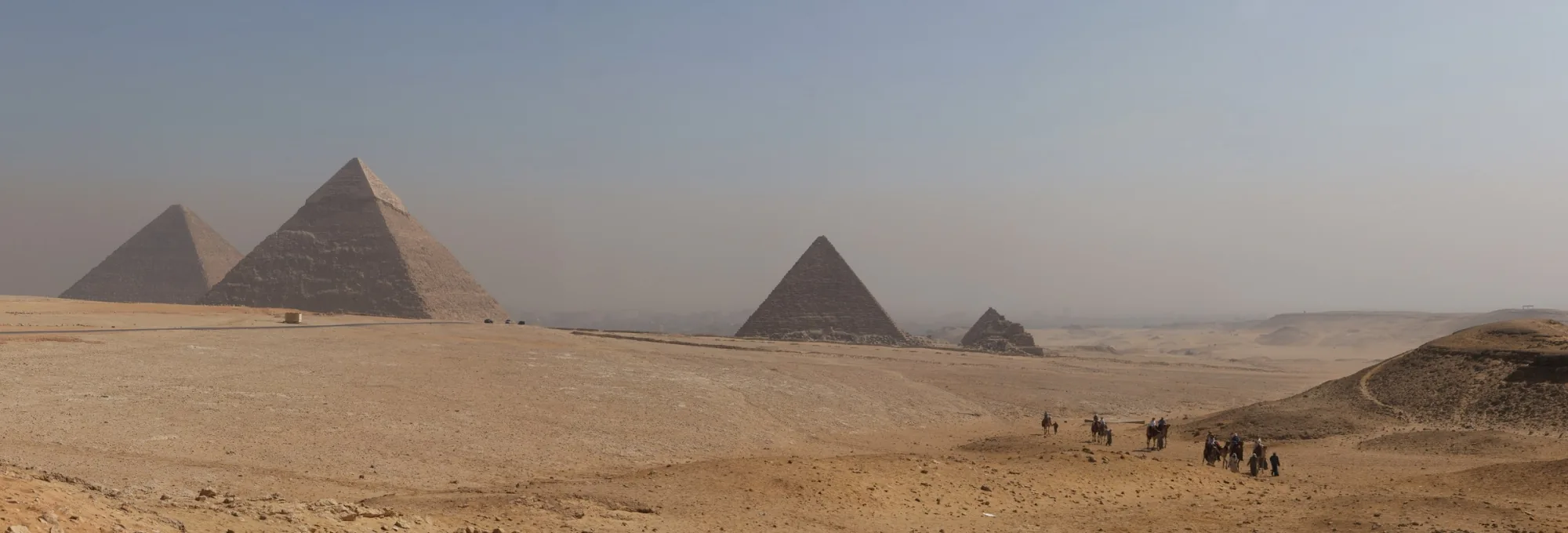
The three principal pyramids rise above the open limestone plateau at Giza.

Egypt · Ancient

Pyramids of Giza

Tickets, Plateau Route & Cairo Logistics Plan the plateau as a hot, exposed archaeological landscape rather than a single roadside photo stop.

Start with the decision

29.9792 N / 31.1342 E · checked 2026-08-31

Quick decision

Tickets, Plateau Route & Cairo Logistics

Decide whether your priority is the Giza Plateau as a landscape or entry inside a specific pyramid. Egypt’s Ministry of Tourism and Antiquities treats plateau admission and individual pyramid interiors as separate access decisions, so “seeing the pyramids” and “going inside the Great Pyramid” should not be planned as the same ticket or the same physical experience.

Plan the plateau as a hot, exposed archaeological landscape rather than a single roadside photo stop.

Open the deep planning guide

Quick answers

The practical shape of the visit

These are planning baselines from the researched registry, not live promises about queues, weather, closures or availability.

How much time should I allow?
Half day on the plateau; longer with interior entries
How far ahead should I plan?
Moderate reservation risk. Plateau entry and individual pyramid interiors are separate decisions.
What is the main access decision?
Arrange a Cairo transfer or confirm current public access points
What should I expect on foot?
Moderate to high: exposed distances and uneven surfaces
What can change the day?
Heat, dust and limited shade shape the practical day.

Deep planning guide

Make the decision before the itinerary.

Decide whether your priority is the Giza Plateau as a landscape or entry inside a specific pyramid. Egypt’s Ministry of Tourism and Antiquities treats plateau admission and individual pyramid interiors as separate access decisions, so “seeing the pyramids” and “going inside the Great Pyramid” should not be planned as the same ticket or the same physical experience.

Research reviewed . Recheck volatile visitor rules before travel.

Choose your visit

Plateau-first visit

Use the plateau admission as the baseline for an outdoor archaeological visit covering the pyramid complexes, Sphinx area and broad desert setting. This is the right default if exterior scale and site context matter more than an interior chamber.
Choose your visit

Great Pyramid interior added

Treat entry inside the Great Pyramid as a separate decision layered onto plateau access. The Ministry’s monument page states that area entry is required in addition to the specific Great Pyramid ticket.

Choose your visit

Heat-conscious shorter visit

The plateau is exposed and spread out. If heat tolerance or mobility is the limiting factor, prioritize a smaller number of exterior stops rather than assuming every visible pyramid, interior and viewpoint can be combined comfortably.

Time plan

Time is part of the route choice.

Use official distances, operating patterns and access rules as planning boundaries, not as promises about your exact pace.

Half day works best when scope is controlled

A focused plateau visit can fit into a half day when the goal is exterior context and major viewpoints. Adding interiors increases queuing, enclosed-space time and walking between separate access points.

Interior access should be scheduled as an extension

The Great Pyramid interior is not simply another exterior stop. Treat it as a separate physical and ticketing commitment, especially if your group is uncomfortable with confined passages.

Arrival, walking & timing

Three checks that shape the day.

Arrival logistics, physical effort and seasonal operating conditions should be resolved independently before they are combined into one itinerary.

Arrival strategy

Plan Giza as a plateau with controlled entry points rather than a single roadside monument.

  • Confirm the current official plateau access arrangement before leaving Cairo or Giza.
  • Choose interior pyramid access before optimizing the order of exterior viewpoints.
  • Avoid building a tight onward schedule around a visit that includes both multiple exterior stops and pyramid interiors.

Walking & access

The dominant constraints are exposure, uneven archaeological surfaces and distance between features; pyramid interiors add confined passages and a different physical demand.

  • Carry sun protection and water appropriate to an exposed archaeological landscape.
  • Do not infer interior accessibility from exterior plateau access.
  • Use official staff guidance around restricted masonry and entrances.

Timing & season

Temperature and sun exposure materially change the day even when the monuments themselves are open.

  • Build more margin in hotter conditions.
  • Recheck current opening and ticket conditions with the Ministry because operating details can change independently for the plateau and individual interiors.

Common mistakes

The errors that change the visit.

These are planning mistakes supported by the operating rules and route structure of Pyramids of Giza, not generic travel warnings.

01

Assuming plateau admission includes every pyramid interior

The Ministry explicitly separates area entry from individual interior tickets, including the Great Pyramid.

02

Planning the plateau like one photo stop

The Giza complex contains multiple pyramid complexes, cemeteries, temples and the Sphinx across an exposed archaeological landscape.

03

Adding an interior without considering confined-space comfort

The Great Pyramid visit involves internal passages and chambers and is a different experience from exterior sightseeing.

Recheck before travel

Keep volatile facts out of memory.

These are the details most likely to deserve a fresh official check near departure.

Practical FAQ

Direct answers to the main planning questions.

Answers are intentionally bounded to what the cited official sources support.

Does a Giza Plateau ticket include entry inside the Great Pyramid?
No. The current Ministry pages treat plateau admission and Great Pyramid interior admission separately, and area entry is required for the interior visit.
Do I need to go inside a pyramid to have a complete first visit?
No. The plateau itself contains the major exterior monuments and archaeological landscape. Interior entry is an optional additional experience rather than a requirement for understanding the site.
What is the main planning constraint at Giza?
Scope: decide how much of the plateau you want to cover and whether a specific pyramid interior is part of the day, then build the route around heat and walking exposure.

Read the place

Scale and designation change the plan.

Coordinates and heritage status are included only where they help explain the operating landscape, protected context or visitor decision.

Plan the day

Resolve access, movement and timing in that order.

The sequence is deliberate: first confirm what controls entry, then how you move through the place, then when conditions and crowds are likely to matter.

01 · Access

Start with the constraint

Plateau entry and individual pyramid interiors are separate decisions.

Reservation riskModerate

02 · Movement

Match transport to the place

Arrange a Cairo transfer or confirm current public access points

WalkingModerate to high: exposed distances and uneven surfaces

03 · Timing

Expect crowd concentration

Entrances and major viewpoints concentrate groups and vehicles.

SeasonHeat, dust and limited shade shape the practical day.

Visit responsibly

Visit Pyramids of Giza as a protected place, not a checklist item.

Do not climb masonry or enter restricted areas, and use official guidance when considering animal transport.

Read the responsible visit framework
  • Follow current closures, route controls and instructions from the managing authority.
  • Treat protected surfaces, wildlife and living cultural practices as part of the visit, not obstacles to it.
  • Recheck access conditions close to travel because visitor rules can change after this guide was reviewed.

Official sources

Verify the part of the plan that can change.

Visitor authorities are used for current access context; designation sources explain protected status. Last checked baseline: .

Continue by place type

These are related by primary planning context, not by a claim that one place is more important than another.

Peru

Machu Picchu

Which Circuit Should You Book?

A circuit choice controls the viewpoints, terraces and movement you experience inside the sanctuary.

Minimum time
Half day on site; allow a full travel day from Cusco
Plan ahead
High reservation risk
Open the decision guide

Jordan

Petra

One Day or Two?

The main trail reveals only part of a broad archaeological landscape, so time changes the route more than the ticket category.

Minimum time
One long day; two days for a wider trail network
Plan ahead
Moderate reservation risk
Open the decision guide

Italy

Colosseum & Roman Forum

Which Ticket Do You Need?

Match the timed Colosseum entry to the Forum and Palatine route you can comfortably complete.

Minimum time
Three hours minimum; half day for a measured combined visit
Plan ahead
High reservation risk
Open the decision guide