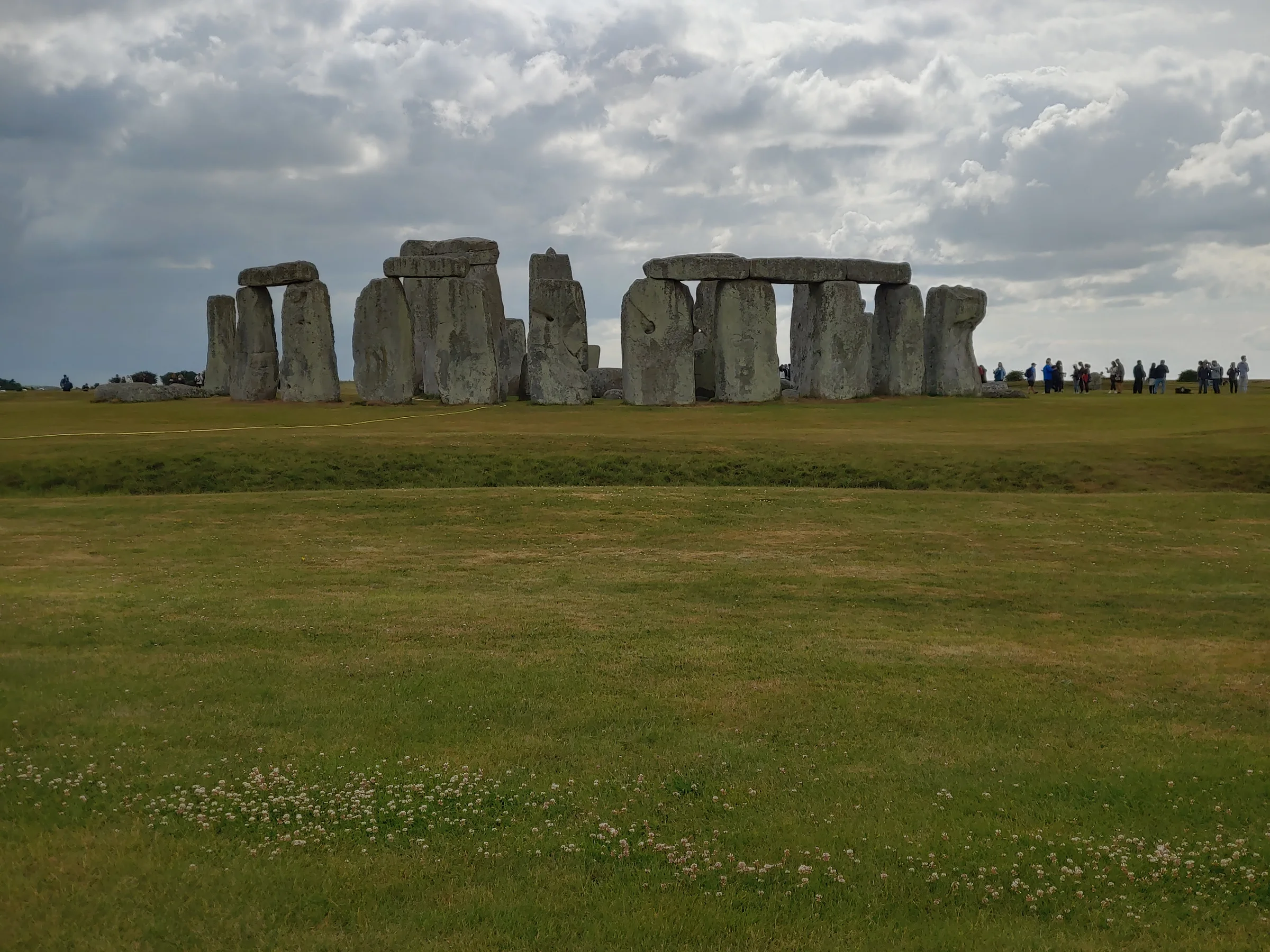
Stonehenge standing in open grassland beneath a broad sky in Wiltshire, England.

United Kingdom · Ancient

Stonehenge

General Admission or Stone Circle Experience? Decide whether a standard landscape visit is enough or whether limited inside-the-circle access is worth planning the day around.

Start with the decision

51.1789 N / 1.8262 W · checked 2026-09-03

Quick decision

General Admission or Stone Circle Experience?

Start by deciding whether you want the normal managed-path visit or the limited Stone Circle Experience. English Heritage treats these as materially different visits: standard admission stays on the visitor route, while the special experience operates outside normal visiting hours and includes controlled time inside the circle.

Decide whether a standard landscape visit is enough or whether limited inside-the-circle access is worth planning the day around.

Open the deep planning guide

Quick answers

The practical shape of the visit

These are planning baselines from the researched registry, not live promises about queues, weather, closures or availability.

How much time should I allow?
About two hours for a focused standard visit; longer if walking the wider landscape
How far ahead should I plan?
High reservation risk. General admission does not normally include walking inside the stone circle.
What is the main access decision?
Drive to the visitor centre or connect from Salisbury by taxi or tour bus
What should I expect on foot?
Low to moderate by shuttle; higher if walking the 4 km return landscape route
What can change the day?
Exposed weather affects the landscape walk; special inside-circle sessions are limited and seasonal.

Deep planning guide

Make the decision before the itinerary.

Start by deciding whether you want the normal managed-path visit or the limited Stone Circle Experience. English Heritage treats these as materially different visits: standard admission stays on the visitor route, while the special experience operates outside normal visiting hours and includes controlled time inside the circle.

Research reviewed . Recheck volatile visitor rules before travel.

Choose your visit

Standard landscape visit

Use general admission for the exhibition, reconstructed Neolithic houses, visitor route around the monument and optional walk through the wider prehistoric landscape. This is the normal first-visit pattern and does not include routine access inside the stones.
Choose your visit

Inside-the-circle experience

Choose the Stone Circle Experience only if controlled access inside the circle is a priority. Sessions operate outside normal visitor hours, are limited in capacity and ask visitors not to stand on or touch the stones.

Time plan

Time is part of the route choice.

Use official distances, operating patterns and access rules as planning boundaries, not as promises about your exact pace.

Focused two-hour visit

English Heritage publishes a two-hour itinerary covering the visitor centre, exhibition, Neolithic houses, shuttle and Stone Circle. Treat that as a focused baseline rather than a cap on the visit.

Walk the landscape instead of only shuttling

The return walk between visitor centre and stones is about 4 km across fields and unmade paths. Allow extra time if the archaeological landscape is part of the reason you came.

Arrival, walking & timing

Three checks that shape the day.

Arrival logistics, physical effort and seasonal operating conditions should be resolved independently before they are combined into one itinerary.

Arrival strategy

Stonehenge is not in a city-centre pedestrian cluster. Salisbury is the nearest rail gateway, so decide whether the final leg is taxi, tour bus or car before setting a tight admission plan.

  • From London, rail travel normally ends at Salisbury rather than at Stonehenge itself.
  • The Stonehenge Tour Bus timetable may not match special inside-circle sessions, so verify the connection before booking that experience.
  • If using a special early or evening session, plan around the visitor-centre reporting time rather than the monument alone.

Walking & access

The visitor centre, shuttle and main visitor areas reduce walking demands, but the wider landscape and grass sections remain weather-dependent.

  • The shuttle is an alternative to the roughly 4 km return walk between the visitor centre and the stones.
  • The wider landscape includes unmade and grass paths, so footwear and weather matter even though the core attraction is highly managed.
  • Visitors with specific access needs should use the current English Heritage access guidance rather than assuming the whole landscape is wheelchair-equivalent.

Timing & season

The monument is exposed and the special-access product has its own availability pattern, so weather and session availability matter more than trying to chase a universal best month.

  • Dress for an exposed landscape rather than an indoor heritage attraction.
  • Stone Circle Experience availability is limited and not continuous through every month, so recheck the live booking page for the travel date.

Common mistakes

The errors that change the visit.

These are planning mistakes supported by the operating rules and route structure of Stonehenge, not generic travel warnings.

02

Treating the shuttle as the only way to experience the site

The wider landscape walk is part of the archaeological context. If conditions and mobility allow, decide consciously between a fast shuttle visit and a slower landscape visit.

Recheck before travel

Keep volatile facts out of memory.

These are the details most likely to deserve a fresh official check near departure.

Ticket type and session availability

Confirm whether you hold general admission or the Stone Circle Experience and check the live reporting time for the booked date.

Transport from Salisbury

Recheck rail, taxi or tour-bus connections, especially for early-morning or evening special-access sessions.

Practical FAQ

Direct answers to the main planning questions.

Answers are intentionally bounded to what the cited official sources support.

Can general-admission visitors walk inside Stonehenge?
Normally no. Standard visitors use the visitor path; controlled inside-circle access is offered through the separate Stone Circle Experience outside normal visiting hours.
How long should I allow for Stonehenge?
English Heritage publishes a two-hour itinerary as a useful focused baseline, but the visit can take longer if you walk the wider landscape instead of relying mainly on the shuttle.
What is the main public-transport gateway?
Salisbury is the nearest rail gateway. The final leg to Stonehenge is by taxi, tour bus or another arranged transfer.

Read the place

Scale and designation change the plan.

Coordinates and heritage status are included only where they help explain the operating landscape, protected context or visitor decision.

Plan the day

Resolve access, movement and timing in that order.

The sequence is deliberate: first confirm what controls entry, then how you move through the place, then when conditions and crowds are likely to matter.

01 · Access

Start with the constraint

General admission does not normally include walking inside the stone circle.

Reservation riskHigh

02 · Movement

Match transport to the place

Drive to the visitor centre or connect from Salisbury by taxi or tour bus

WalkingLow to moderate by shuttle; higher if walking the 4 km return landscape route

03 · Timing

Expect crowd concentration

Standard visitors circulate on the managed path while special sessions operate outside normal visiting hours.

SeasonExposed weather affects the landscape walk; special inside-circle sessions are limited and seasonal.

Visit responsibly

Visit Stonehenge as a protected place, not a checklist item.

Stay on managed routes, never touch or stand on the stones, and treat the surrounding archaeology as part of the protected site.

Read the responsible visit framework
  • Follow current closures, route controls and instructions from the managing authority.
  • Treat protected surfaces, wildlife and living cultural practices as part of the visit, not obstacles to it.
  • Recheck access conditions close to travel because visitor rules can change after this guide was reviewed.

Official sources

Verify the part of the plan that can change.

Visitor authorities are used for current access context; designation sources explain protected status. Last checked baseline: .

Continue by place type

These are related by primary planning context, not by a claim that one place is more important than another.

Peru

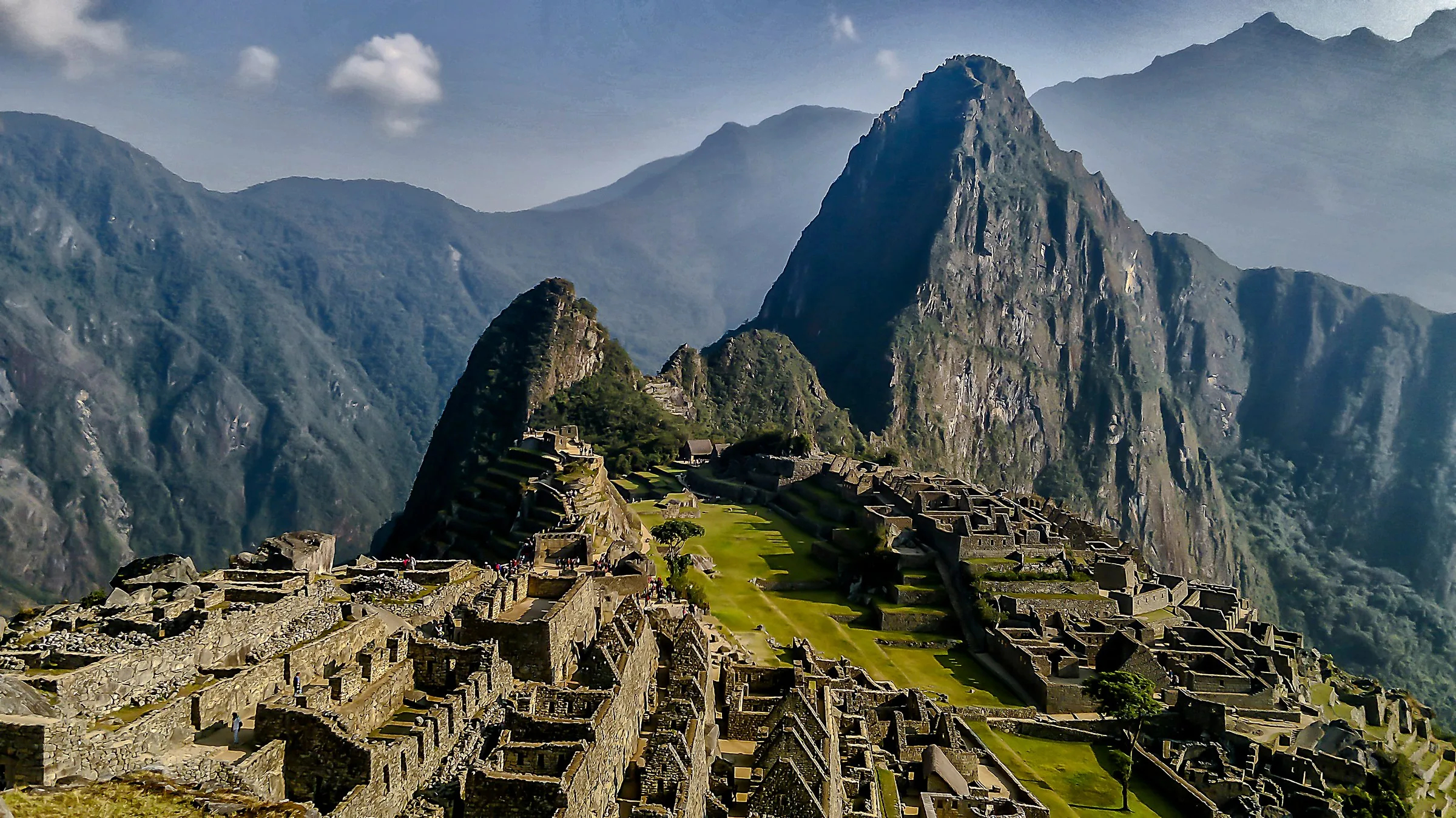
Machu Picchu

Which Circuit Should You Book?

A circuit choice controls the viewpoints, terraces and movement you experience inside the sanctuary.

Minimum time
Half day on site; allow a full travel day from Cusco
Plan ahead
High reservation risk
Open the decision guide

Jordan

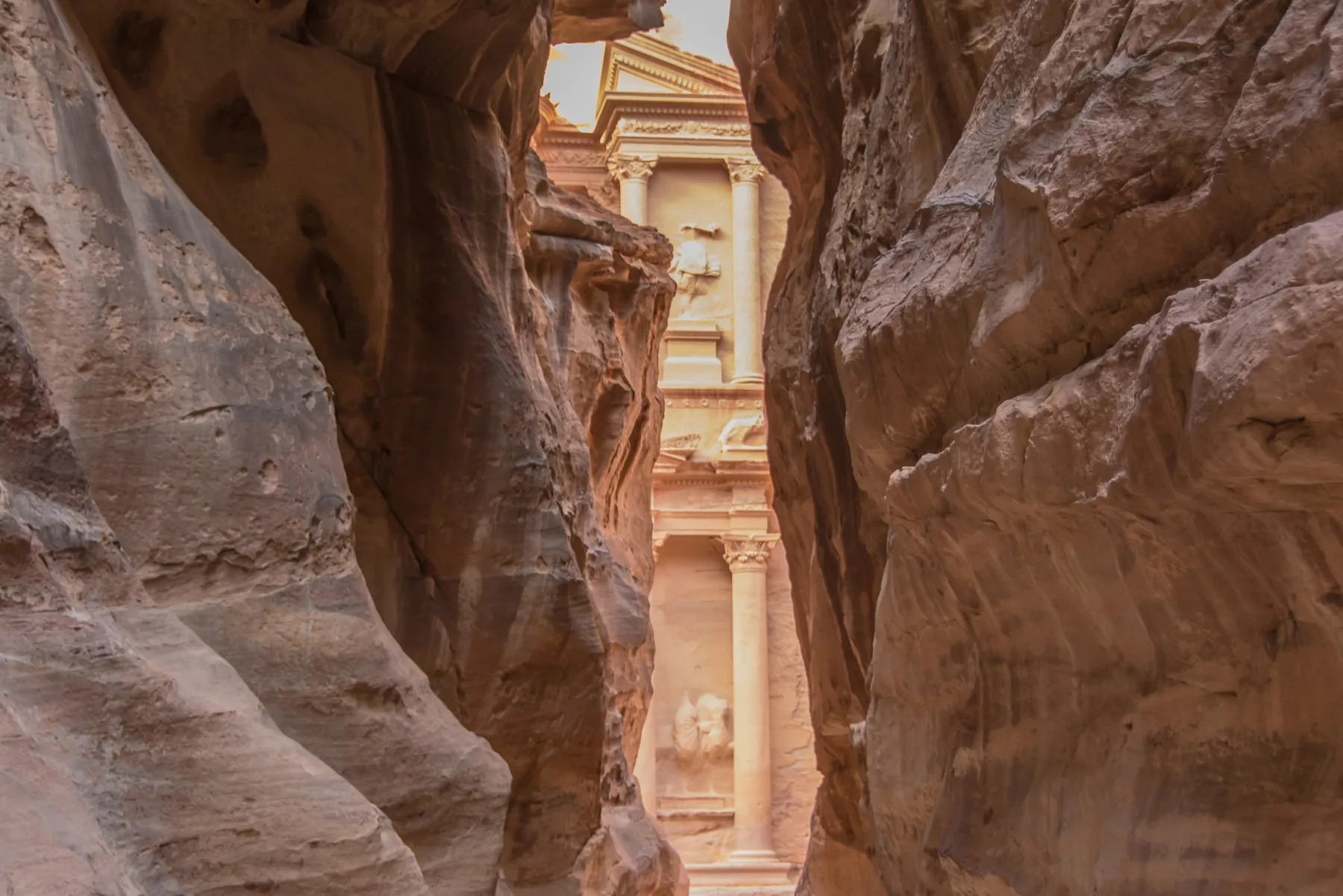
Petra

One Day or Two?

The main trail reveals only part of a broad archaeological landscape, so time changes the route more than the ticket category.

Minimum time
One long day; two days for a wider trail network
Plan ahead
Moderate reservation risk
Open the decision guide

Egypt

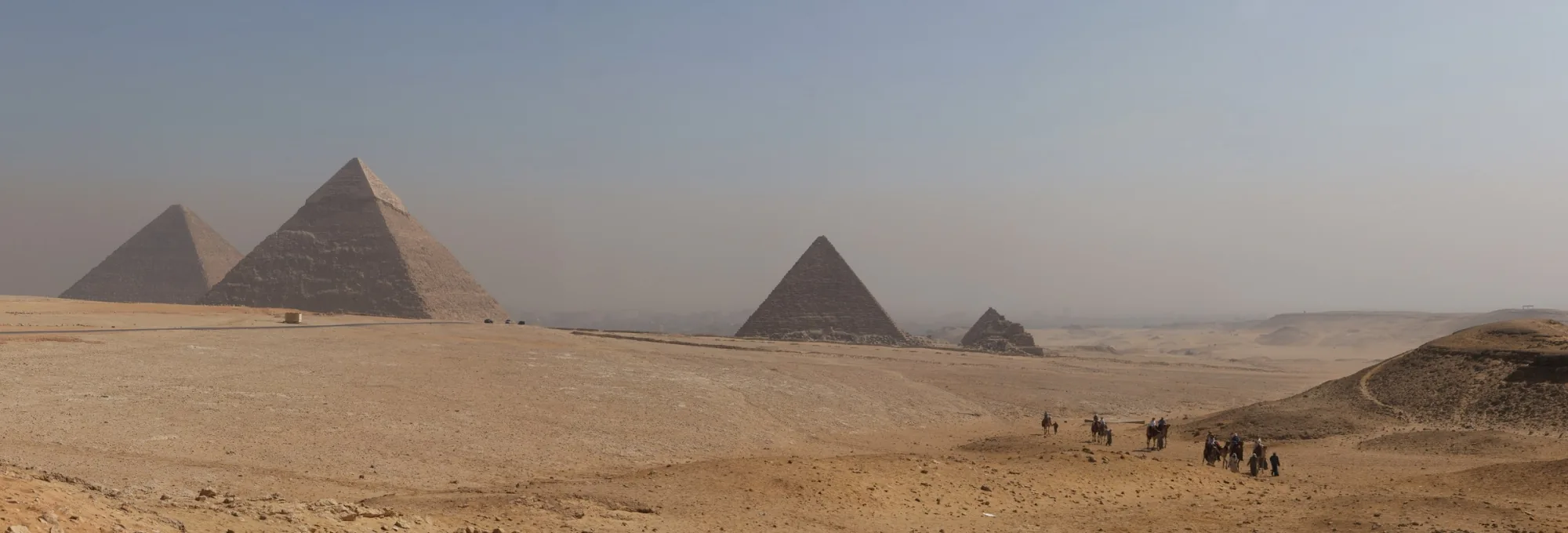
Pyramids of Giza

Tickets, Plateau Route & Cairo Logistics

Plan the plateau as a hot, exposed archaeological landscape rather than a single roadside photo stop.

Minimum time
Half day on the plateau; longer with interior entries
Plan ahead
Moderate reservation risk
Open the decision guide