Choose your visit
Viewpoint-first visit
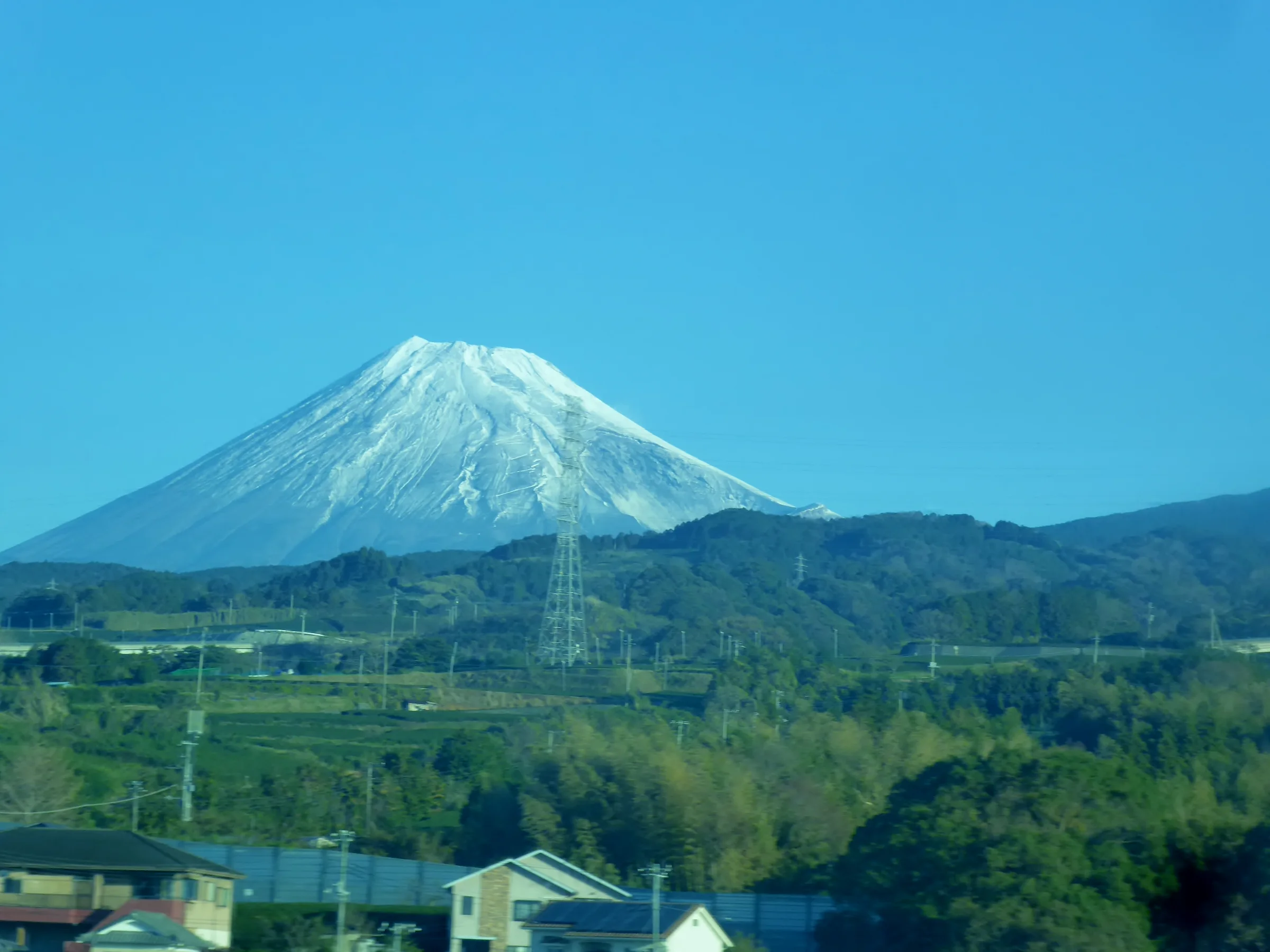
Use the Fuji Five Lakes, Hakone or another established viewing base when the mountain itself is the visual goal. This avoids turning a landscape visit into a technical climbing plan.
Japan · Nature
View It or Climb It, and Which Trail? A Mount Fuji trip changes completely depending on whether you want a landscape viewpoint or a regulated summit climb, so choose the experience before transport and lodging.
Start with the decision35.3606 N / 138.7274 E · checked 2026-09-03
Quick decision
Decide first whether Mount Fuji is a viewing trip or a summit climb. A climb is a seasonal, regulated mountain journey with four trailheads, different access systems and current entry rules; a viewing trip belongs to a completely different transport and timing plan.
A Mount Fuji trip changes completely depending on whether you want a landscape viewpoint or a regulated summit climb, so choose the experience before transport and lodging.
Open the deep planning guideQuick answers
These are planning baselines from the researched registry, not live promises about queues, weather, closures or availability.
Deep planning guide
Decide first whether Mount Fuji is a viewing trip or a summit climb. A climb is a seasonal, regulated mountain journey with four trailheads, different access systems and current entry rules; a viewing trip belongs to a completely different transport and timing plan.
Research reviewed . Recheck volatile visitor rules before travel.
Choose your visit
Use the Fuji Five Lakes, Hakone or another established viewing base when the mountain itself is the visual goal. This avoids turning a landscape visit into a technical climbing plan.
Choose your visit
Choose among Yoshida, Subashiri, Gotemba and Fujinomiya before booking transport. The official site notes that distance, elevation gain, crowds, huts and trailhead access differ materially.
Time plan
Use official distances, operating patterns and access rules as planning boundaries, not as promises about your exact pace.
Do not insert a summit attempt into a normal Tokyo sightseeing day. Trailhead access, mountain-hut planning, weather margin and descent time need their own schedule.
Opening dates, registration rules, fees, private-vehicle restrictions and facility periods are annual operational facts. Rebuild the climb plan from the official current-year season and announcements pages instead of copying a prior year.
Arrival, walking & timing
Arrival logistics, physical effort and seasonal operating conditions should be resolved independently before they are combined into one itinerary.
Arrival strategy
Choose the trailhead or viewing region first, then solve rail, bus or road access. Each climbing route begins from a different fifth-station access system.
Walking & access
A summit climb is a strenuous high-altitude volcanic hike, not a scenic city walk.
Timing & season
Season determines whether summit access exists at all. The 2026 official schedule opens different routes on different July dates and closes summit routes in September.
Common mistakes
These are planning mistakes supported by the operating rules and route structure of Mount Fuji, not generic travel warnings.
Viewing the mountain and climbing it are different trips with different gateways, equipment and time commitments.
The current official guidance states that mountain entry registration does not reserve a mountain hut.
Recheck before travel
These are the details most likely to deserve a fresh official check near departure.
Confirm the exact trail opening, hiking fee, registration method, restricted entry hours and private-vehicle controls for the travel year.
Recheck the official announcements for emergency closures, road restrictions and trail-specific notices, then verify transport to the selected fifth station.
Practical FAQ
Answers are intentionally bounded to what the cited official sources support.
Read the place
Coordinates and heritage status are included only where they help explain the operating landscape, protected context or visitor decision.
Plan the day
The sequence is deliberate: first confirm what controls entry, then how you move through the place, then when conditions and crowds are likely to matter.
01 · Access
Outside the official climbing season, summit trails are closed. During the season, rebuild the plan from the current-year official season, registration and alerts rather than carrying forward last year’s rules.
Reservation riskHigh
02 · Movement
Choose a viewing region or one of the four regulated fifth-station trailheads before booking transport
WalkingLow for viewpoints; very high for summit routes with more than 1,000 m of elevation gain
03 · Timing
Viewpoint crowds concentrate around lakes and fifth stations; climbers concentrate on the Yoshida Trail and summit sunrise periods.
SeasonSummit access is seasonal and operational rules are annual: opening dates, entry registration, hiking fees, road restrictions and emergency closures must be rechecked for the travel year.
Visit responsibly
Use official trails, carry out all waste, respect closures and mountain-hut rules, and treat Fuji as both a protected landscape and a sacred cultural place.
Read the responsible visit frameworkOfficial sources
Visitor authorities are used for current access context; designation sources explain protected status. Last checked baseline: .
Continue by place type
These are related by primary planning context, not by a claim that one place is more important than another.
United States
South Rim, North Rim or a Day Tour?
The rim and gateway determine season, drive time, services and whether the day leaves room to walk.
Argentina & Brazil
Argentina Side, Brazil Side or Both?
Argentina puts you inside the circuit network; Brazil gives the broad panorama. Crossing between them adds a separate park system, ticket channel and transfer plan.
Australia
Which Gateway and Reef Trip?
A reef visit begins with gateway, vessel, travel time, water confidence and operator standards rather than one universal excursion.