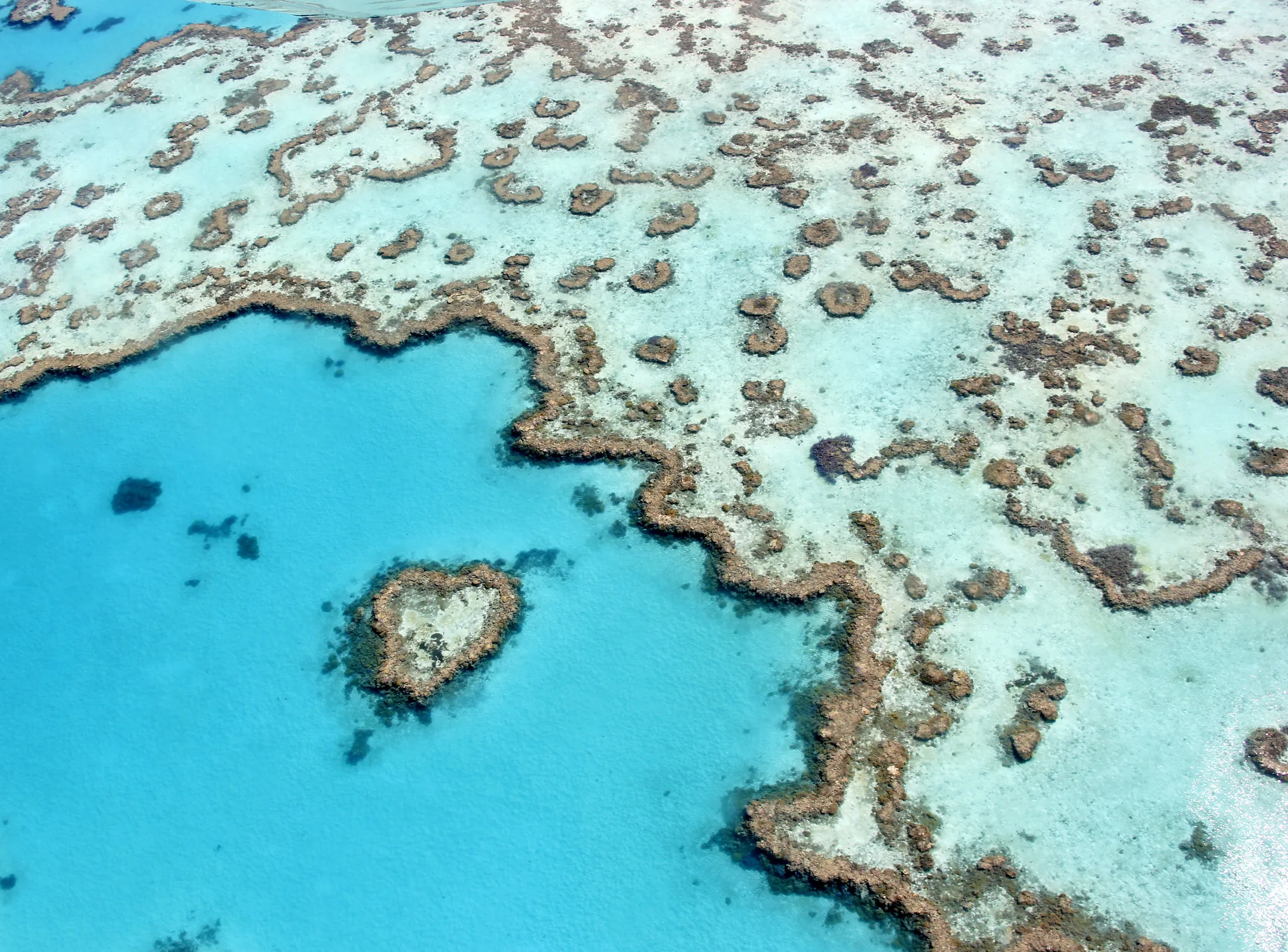
Coral formations and turquoise channels spread across the Great Barrier Reef from above.

Australia · Nature

Great Barrier Reef

Which Gateway and Reef Trip? A reef visit begins with gateway, vessel, travel time, water confidence and operator standards rather than one universal excursion.

Start with the decision

18.2871 S / 147.6992 E (central reef reference) · checked 2026-08-31

Quick decision

Which Gateway and Reef Trip?

Choose the gateway and experience type before choosing a specific reef name. The Reef Authority describes the Great Barrier Reef Marine Park as a large multiple-use system with different management areas, zones and location-specific rules. Most tourists visit with a day-tour operator, while independent boating and island access require visitors to understand zoning and local rules.

A reef visit begins with gateway, vessel, travel time, water confidence and operator standards rather than one universal excursion.

Open the deep planning guide

Quick answers

The practical shape of the visit

These are planning baselines from the researched registry, not live promises about queues, weather, closures or availability.

How much time should I allow?
Full day on the water; longer for island or outer-reef stays
How far ahead should I plan?
High reservation risk. Operator, vessel and reef zone define the actual experience.
What is the main access decision?
Match Cairns, Port Douglas, Townsville or the Whitsundays to a reef zone
What should I expect on foot?
Low on land; swimming ability and vessel motion matter more
What can change the day?
Wind, sea state, heat and marine stinger seasons affect trip choice.

Deep planning guide

Make the decision before the itinerary.

Choose the gateway and experience type before choosing a specific reef name. The Reef Authority describes the Great Barrier Reef Marine Park as a large multiple-use system with different management areas, zones and location-specific rules. Most tourists visit with a day-tour operator, while independent boating and island access require visitors to understand zoning and local rules.

Research reviewed . Recheck volatile visitor rules before travel.

Choose your visit

Operator-led day tour

The Reef Authority says most tourists visit on a day tour, ranging from large outer-reef pontoons to smaller sailing and cruising vessels. Choose the experience type and gateway before comparing individual operators.
Choose your visit

High-standard operator visit

The Authority maintains a High Standard Tourism Operator program and recommends considering recognised operators that meet independently certified environmental standards.

Time plan

Time is part of the route choice.

Use official distances, operating patterns and access rules as planning boundaries, not as promises about your exact pace.

A reef day begins with travel to the reef

A day tour includes marine transit as well as time in the water. Compare vessel style, destination type and activity mix rather than treating all “reef tours” as equivalent hours at coral sites.

Use multiple days when gateway and activity variety matter

The Authority lists main tourism areas including Far North, Port Douglas, Cairns, Townsville, Whitsundays and Capricorn Coast. A multi-day trip can separate reef, island and sailing experiences instead of forcing them into one excursion.

Arrival, walking & timing

Three checks that shape the day.

Arrival logistics, physical effort and seasonal operating conditions should be resolved independently before they are combined into one itinerary.

Arrival strategy

Gateway choice determines the set of reef sites and operators that are practical.

  • Choose Cairns, Port Douglas, Whitsundays or another reef gateway based on the desired experience rather than brand recognition alone.
  • When using an operator, verify that the operator is permitted and consider the Authority’s High Standard Tourism Operator list.
  • Independent boaters should check the exact zone and location rules before departure.

Walking & access

Physical access is experience-specific: snorkelling, diving, pontoons, islands, vessels and scenic flights have very different mobility and swimming demands.

  • Ask the operator about swimming ability, entry ladders, flotation and mobility support before booking.
  • A scenic or island-focused experience can be more suitable than open-water snorkelling for some visitors.
  • Do not assume a famous reef destination implies one standard activity level.

Timing & season

Marine conditions, wildlife seasons and local management rules influence the experience, while zoning and site rules remain important year-round.

  • Use operator and official advice for current sea conditions.
  • Check location-specific rules because sensitive locations can have extra restrictions beyond general zoning.

Common mistakes

The errors that change the visit.

These are planning mistakes supported by the operating rules and route structure of Great Barrier Reef, not generic travel warnings.

02

Assuming every reef zone allows the same activity

The Reef Authority uses eight zone types with different permitted, prohibited and permit-required activities.

03

Treating responsible practice as optional

The Authority publishes Responsible Reef Practices covering wildlife, anchoring, snorkelling, diving, fishing, waste and island visits.

Recheck before travel

Keep volatile facts out of memory.

These are the details most likely to deserve a fresh official check near departure.

Practical FAQ

Direct answers to the main planning questions.

Answers are intentionally bounded to what the cited official sources support.

What is the best way to visit the Great Barrier Reef for a first-time visitor?
The Reef Authority states that most tourists visit on day tours. A permitted operator is a practical first-visit baseline, but the right tour depends on gateway, vessel style and desired activities.
How do I choose a reef tour operator?
The Reef Authority recommends considering recognised High Standard Tourism Operators, which meet independently certified environmental standards.
Can I boat or fish anywhere on the reef?
No. Marine Park zoning defines where activities are allowed, prohibited or require permits, and some locations have additional rules.

Read the place

Scale and designation change the plan.

Coordinates and heritage status are included only where they help explain the operating landscape, protected context or visitor decision.

Plan the day

Resolve access, movement and timing in that order.

The sequence is deliberate: first confirm what controls entry, then how you move through the place, then when conditions and crowds are likely to matter.

01 · Access

Start with the constraint

Operator, vessel and reef zone define the actual experience.

Reservation riskHigh

02 · Movement

Match transport to the place

Match Cairns, Port Douglas, Townsville or the Whitsundays to a reef zone

WalkingLow on land; swimming ability and vessel motion matter more

03 · Timing

Expect crowd concentration

Departure marinas are concentrated; reef platforms disperse visitors differently.

SeasonWind, sea state, heat and marine stinger seasons affect trip choice.

Visit responsibly

Visit Great Barrier Reef as a protected place, not a checklist item.

Choose a permitted high-standard operator, follow reef-safe briefings and never stand on or collect coral.

Read the responsible visit framework
  • Follow current closures, route controls and instructions from the managing authority.
  • Treat protected surfaces, wildlife and living cultural practices as part of the visit, not obstacles to it.
  • Recheck access conditions close to travel because visitor rules can change after this guide was reviewed.

Official sources

Verify the part of the plan that can change.

Visitor authorities are used for current access context; designation sources explain protected status. Last checked baseline: .

Continue by place type

These are related by primary planning context, not by a claim that one place is more important than another.

United States

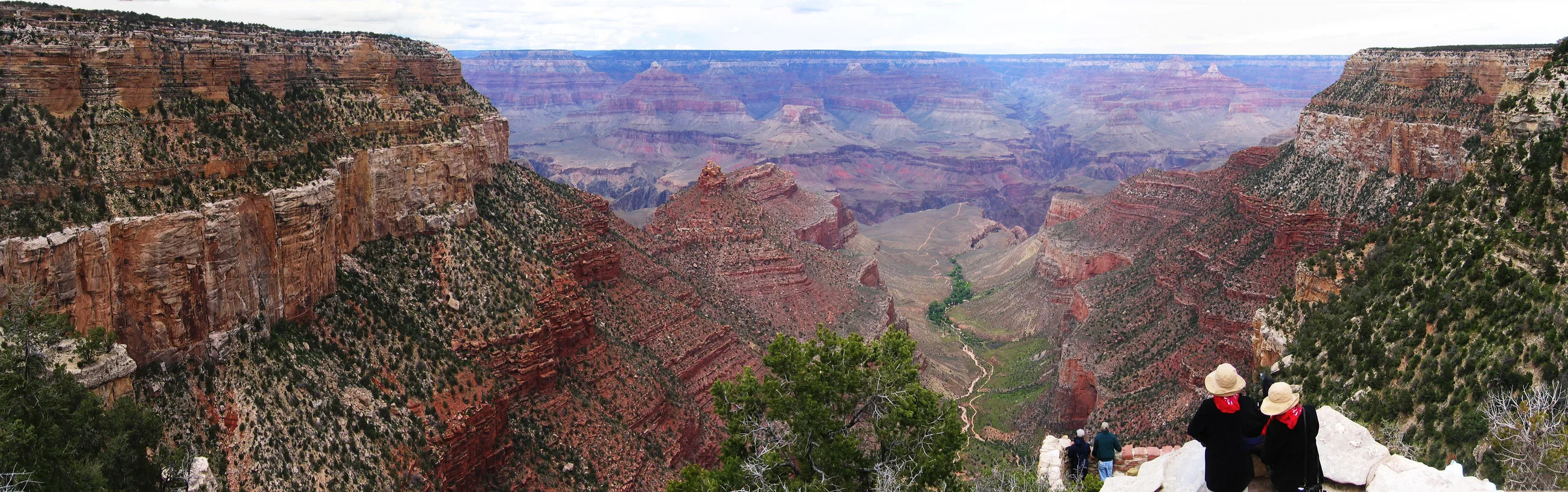
Grand Canyon

South Rim, North Rim or a Day Tour?

The rim and gateway determine season, drive time, services and whether the day leaves room to walk.

Minimum time
Full day at one rim; overnight for a less compressed visit
Plan ahead
Moderate reservation risk
Open the decision guide

Argentina & Brazil

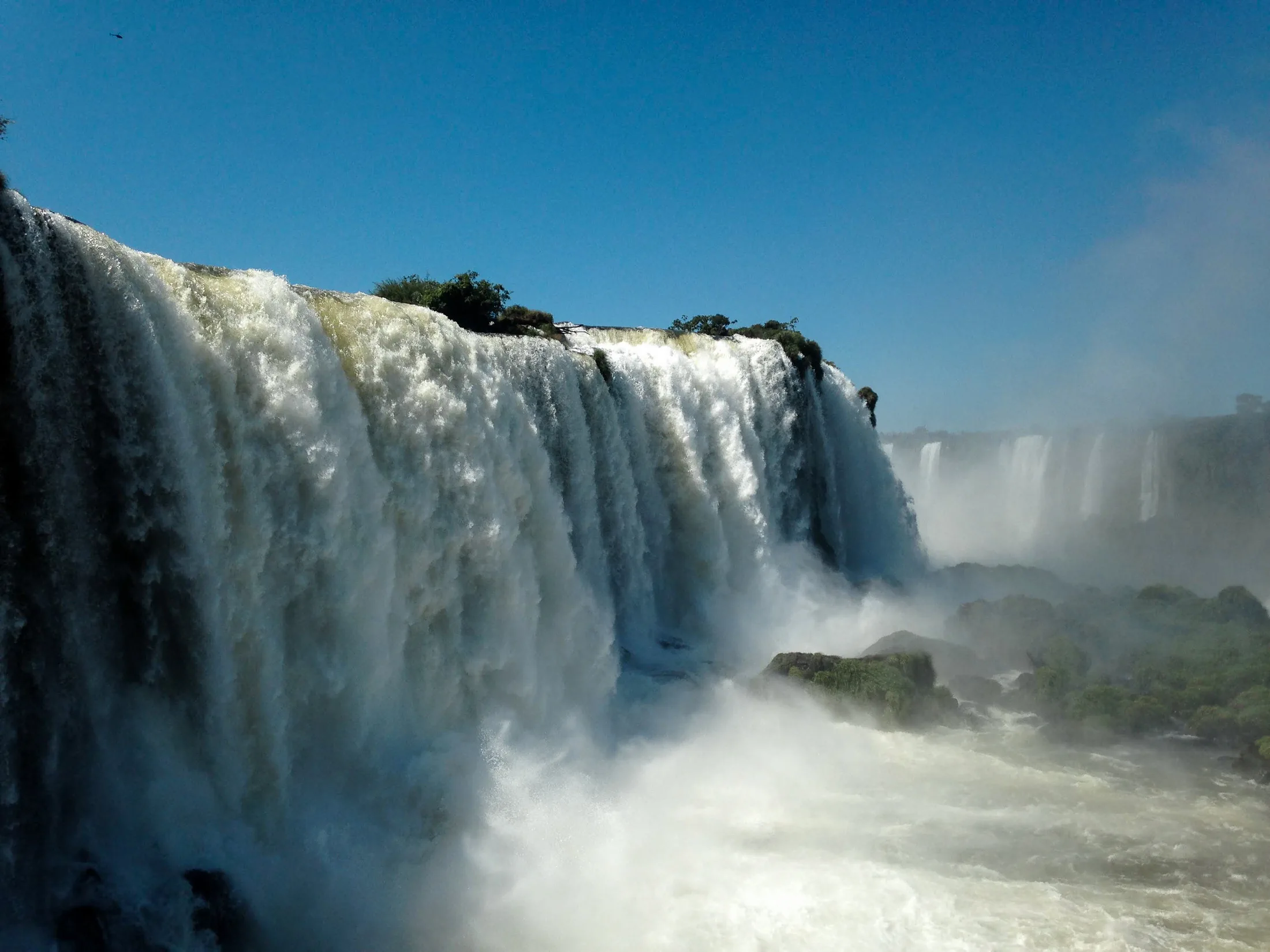
Iguazu Falls

Argentina Side, Brazil Side or Both?

Each national park offers a different scale and route, while the border turns two viewpoints into a transport decision.

Minimum time
One day per side for full circuits; two days for both parks
Plan ahead
Moderate reservation risk
Open the decision guide

Japan

Mount Fuji

View It or Climb It, and Which Trail?

A Mount Fuji trip changes completely depending on whether you want a landscape viewpoint or a regulated summit climb, so choose the experience before transport and lodging.

Minimum time
Half to full day for a viewpoint trip; overnight planning is common for a summit climb
Plan ahead
High reservation risk
Open the decision guide