Choose your visit
Central / Seronera-style base
Use the central park when you value a broad resident-wildlife safari and flexible access more than chasing one migration phase. The point is a balanced base, not a guarantee of where the herds will be.
Tanzania · Nature
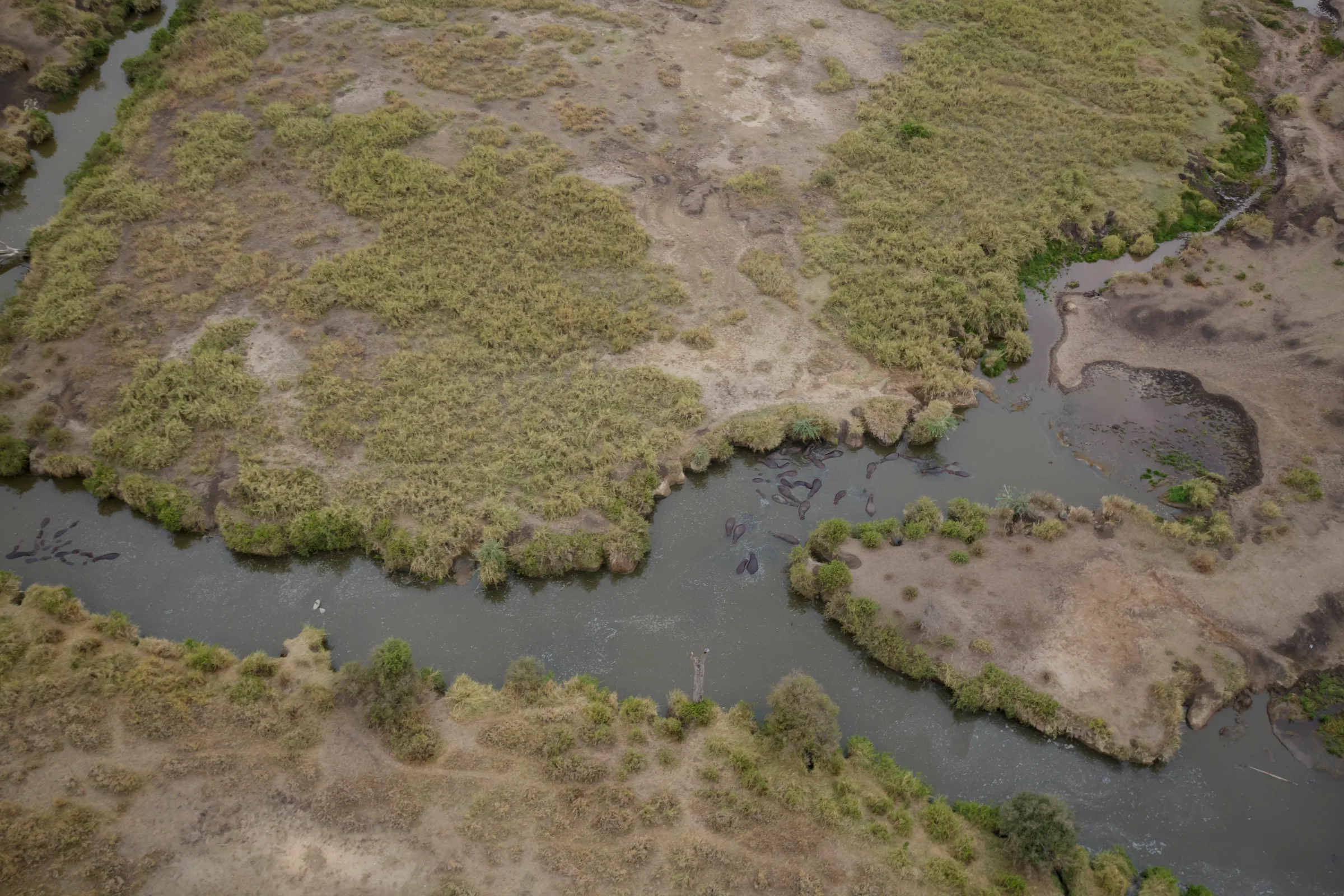
Which Sector and Season Match Your Safari? Choose Serengeti by sector × season rather than by a generic migration label: central Seronera, southern plains, western corridor and northern reaches differ in habitat, travel time and the wildlife patterns they support through the year.
Start with the decision2.4400 S / 34.8300 E · checked 2026-09-03
Quick decision
Plan Serengeti as a sector × season matrix rather than a generic “Great Migration” promise. TANAPA’s own material stresses that the park contains very different habitats and that the character of places changes dramatically by season, while the migration itself moves across the wider ecosystem.
Choose Serengeti by sector × season rather than by a generic migration label: central Seronera, southern plains, western corridor and northern reaches differ in habitat, travel time and the wildlife patterns they support through the year.
Open the deep planning guideQuick answers
These are planning baselines from the researched registry, not live promises about queues, weather, closures or availability.
Deep planning guide
Plan Serengeti as a sector × season matrix rather than a generic “Great Migration” promise. TANAPA’s own material stresses that the park contains very different habitats and that the character of places changes dramatically by season, while the migration itself moves across the wider ecosystem.
Research reviewed . Recheck volatile visitor rules before travel.
Choose your visit
Use the central park when you value a broad resident-wildlife safari and flexible access more than chasing one migration phase. The point is a balanced base, not a guarantee of where the herds will be.
Choose your visit
Use the southern plains when the travel season and wildlife objective align with the wet-season/calving phase; treat the timing as ecological rather than a fixed-date event.
Choose your visit
Choose western or northern sectors only when the travel month, migration movement and transfer time justify the distance. TANAPA’s material makes clear that the route shifts through the ecosystem.
Time plan
Use official distances, operating patterns and access rules as planning boundaries, not as promises about your exact pace.
Road distances and wildlife time make a single quick stop poor value. Protect at least two to three safari days for a focused Serengeti visit.
Adding distant sectors or Ngorongoro increases travel time and should be treated as a route itinerary, not as adjacent attractions.
Arrival, walking & timing
Arrival logistics, physical effort and seasonal operating conditions should be resolved independently before they are combined into one itinerary.
Arrival strategy
Choose road, regional flight or a mixed safari plan based on sector and lodging location.
Walking & access
Standard game-drive itineraries are vehicle-based; the demanding factors are long travel days, heat, dust and remote conditions rather than walking distance.
Timing & season
Rainfall and migration reshape where wildlife concentrations occur. UNESCO describes the Serengeti as the core of a wider migration ecosystem extending beyond the park boundary.
Common mistakes
These are planning mistakes supported by the operating rules and route structure of Serengeti National Park, not generic travel warnings.
The annual migration is circular and ecosystem-scale, so location changes over time.
Serengeti is a large protected landscape; sector choice and transport mode shape usable safari time.
Recheck before travel
These are the details most likely to deserve a fresh official check near departure.
Use TANAPA’s official systems for current entry, payment and permit procedures.
Reconfirm whether the planned sector still matches the month, road conditions and wildlife objective; use a licensed operator for current movement intelligence rather than treating an evergreen migration map as live tracking.
Practical FAQ
Answers are intentionally bounded to what the cited official sources support.
Read the place
Coordinates and heritage status are included only where they help explain the operating landscape, protected context or visitor decision.
Plan the day
The sequence is deliberate: first confirm what controls entry, then how you move through the place, then when conditions and crowds are likely to matter.
01 · Access
The Great Migration is a moving ecosystem process, not a fixed attraction; no sector or lodge can promise the same migration phase year-round.
Reservation riskHigh
02 · Movement
Map the intended sector before choosing road safari, regional airstrip or a mixed plan; a lodge in one sector is not a practical substitute for a migration phase occurring far across the park
WalkingLow in standard game-drive itineraries; heat, vehicle time and remote conditions matter more than walking distance
03 · Timing
Vehicles concentrate around major wildlife sightings and migration zones; season and sector selection strongly affect density.
SeasonRainfall changes roads, habitat and wildlife distribution; TANAPA explicitly notes that Serengeti’s character varies by place and season, so sector choice should follow the travel month rather than a fixed migration calendar.
Visit responsibly
Use licensed operators, follow TANAPA wildlife-distance and road rules, never pressure guides to crowd animals, and keep the migration framed as an ecosystem rather than a guaranteed spectacle.
Read the responsible visit frameworkOfficial sources
Visitor authorities are used for current access context; designation sources explain protected status. Last checked baseline: .
Continue by place type
These are related by primary planning context, not by a claim that one place is more important than another.
United States
South Rim, North Rim or a Day Tour?
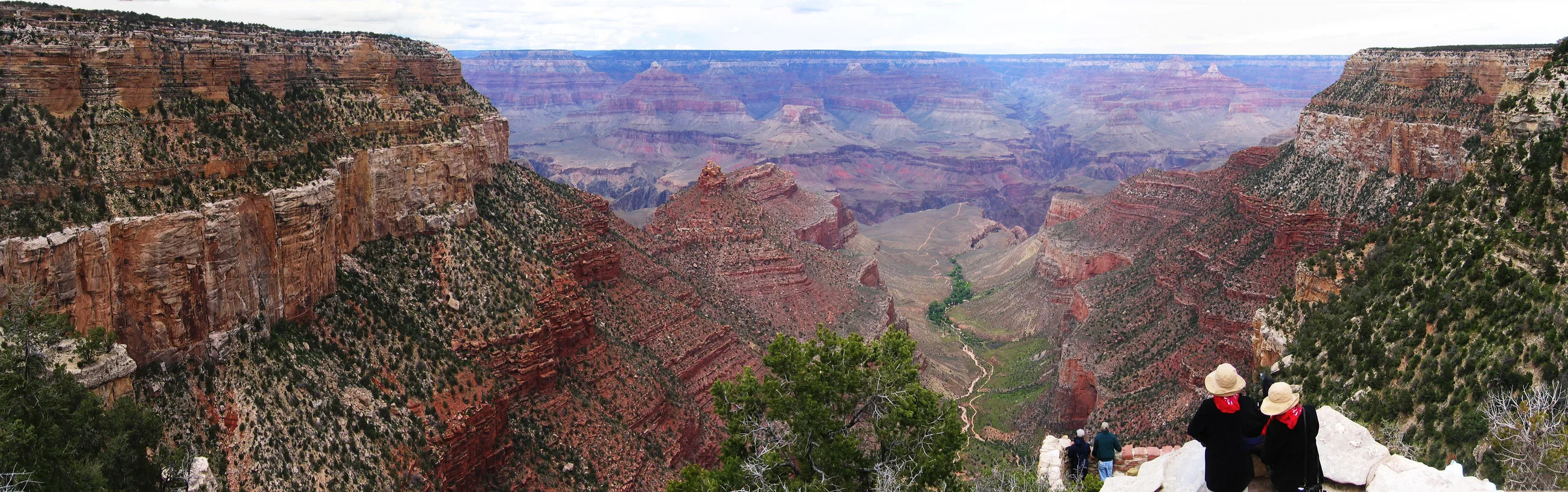
The rim and gateway determine season, drive time, services and whether the day leaves room to walk.
Argentina & Brazil
Argentina Side, Brazil Side or Both?
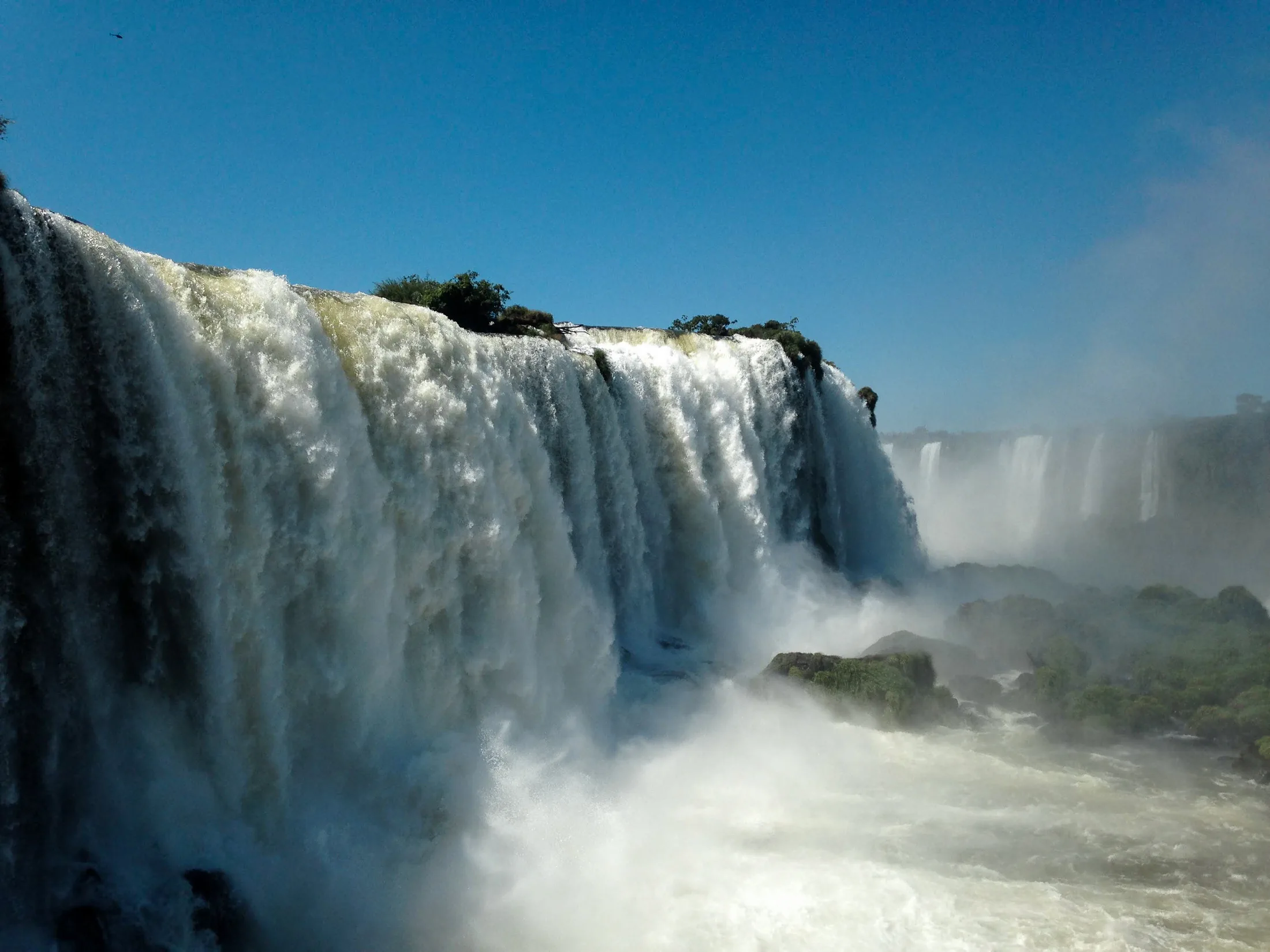
Argentina puts you inside the circuit network; Brazil gives the broad panorama. Crossing between them adds a separate park system, ticket channel and transfer plan.
Australia
Which Gateway and Reef Trip?
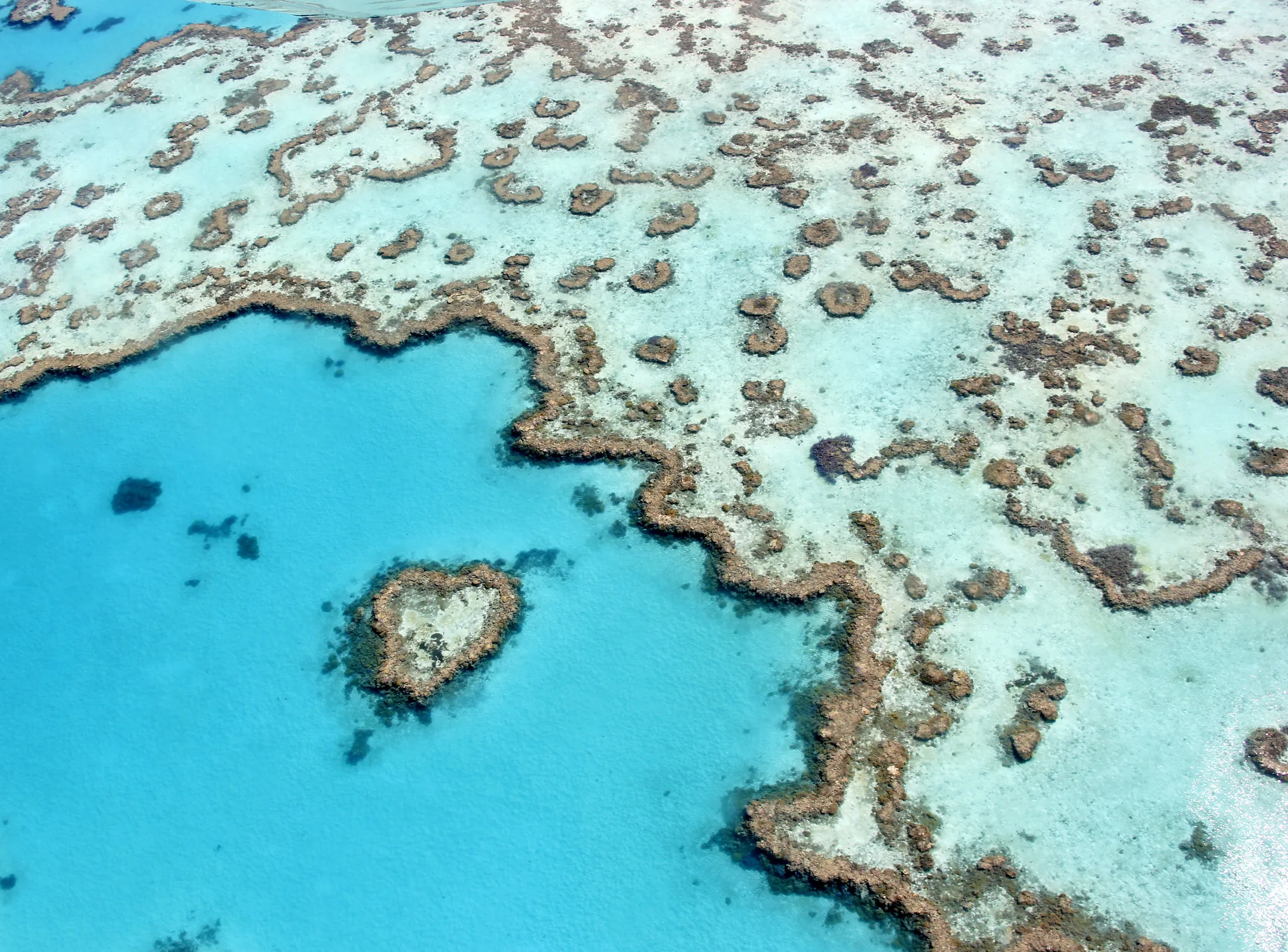
A reef visit begins with gateway, vessel, travel time, water confidence and operator standards rather than one universal excursion.