Choose your visit
Self-drive day
Use self-drive only when you are comfortable with a long remote alpine road, weather changes and limited parking at peak times.
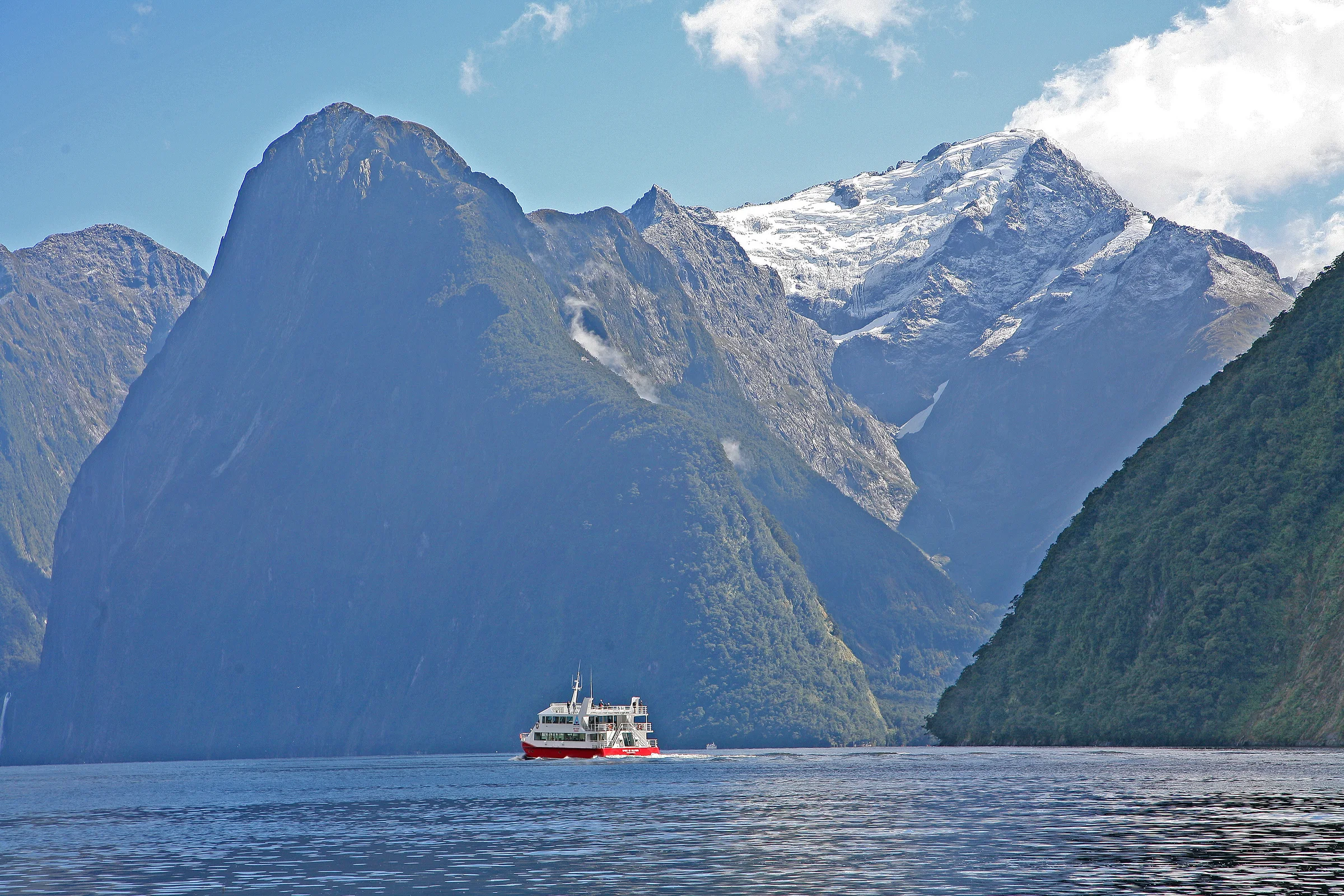
New Zealand · Nature
Self-Drive, Coach or Stay Overnight? The fjord itself is only one part of the visit: the remote Milford Road, parking, weather, cruise timing and the long approach from Te Anau or Queenstown shape the day.
Start with the decision44.6717 S / 167.9250 E · checked 2026-09-03
Quick decision
Plan Piopiotahi from the road backward. DOC describes a remote 120 km alpine road from Te Anau with limited facilities, heavy peak demand and significant natural hazards, so transport mode and timing matter as much as the cruise itself.
The fjord itself is only one part of the visit: the remote Milford Road, parking, weather, cruise timing and the long approach from Te Anau or Queenstown shape the day.
Open the deep planning guideQuick answers
These are planning baselines from the researched registry, not live promises about queues, weather, closures or availability.
Deep planning guide
Plan Piopiotahi from the road backward. DOC describes a remote 120 km alpine road from Te Anau with limited facilities, heavy peak demand and significant natural hazards, so transport mode and timing matter as much as the cruise itself.
Research reviewed . Recheck volatile visitor rules before travel.
Choose your visit
Use self-drive only when you are comfortable with a long remote alpine road, weather changes and limited parking at peak times.
Choose your visit
A coach reduces driving pressure; an overnight stay reduces the very long same-day transport burden from Queenstown or Te Anau.
Time plan
Use official distances, operating patterns and access rules as planning boundaries, not as promises about your exact pace.
DOC gives the Milford Road as about 120 km from Te Anau and advises allowing substantial driving time even before scenic stops.
Parking, terminal walking, traffic and weather create real delay risk, especially in peak periods.
Arrival, walking & timing
Arrival logistics, physical effort and seasonal operating conditions should be resolved independently before they are combined into one itinerary.
Arrival strategy
Choose self-drive, coach, flight or overnight stay before selecting a departure time on the water.
Walking & access
A standard fjord visit is low-walking, but roadside and Fiordland walks range from easy foreshore routes to serious alpine tracks.
Timing & season
Fiordland weather is a defining part of the visit. DOC highlights heavy rainfall, alpine-road conditions and natural hazards, while current planning work is explicitly focused on visitor pressure and resilience.
Common mistakes
These are planning mistakes supported by the operating rules and route structure of Milford Sound / Piopiotahi, not generic travel warnings.
The remote approach can consume more time and risk than the boat segment itself.
DOC has specifically warned that parking is limited and peak demand puts pressure on the destination.
Recheck before travel
These are the details most likely to deserve a fresh official check near departure.
Check current road and weather information before leaving Te Anau or Queenstown.
Review DOC’s current Piopiotahi updates because visitor-management changes are actively being developed.
Practical FAQ
Answers are intentionally bounded to what the cited official sources support.
Read the place
Coordinates and heritage status are included only where they help explain the operating landscape, protected context or visitor decision.
Plan the day
The sequence is deliberate: first confirm what controls entry, then how you move through the place, then when conditions and crowds are likely to matter.
01 · Access
Milford Road is a remote alpine approach with limited facilities; cruise timing must include substantial travel and parking margin.
Reservation riskHigh
02 · Movement
Choose self-drive, coach, flight or overnight stay before selecting the cruise departure time
WalkingLow for a standard cruise day; roadside walks and alpine tracks vary from easy to expert
03 · Timing
Peak arrivals concentrate at the terminal and limited parking even though the wider road journey is dispersed.
SeasonHeavy rain, alpine road conditions, avalanches, rockfall and natural hazards can change access at short notice.
Visit responsibly
Check road and weather conditions, carry out rubbish, do not feed wildlife, follow Fiordland National Park rules and reduce peak-period pressure by considering coach or overnight travel.
Read the responsible visit frameworkOfficial sources
Visitor authorities are used for current access context; designation sources explain protected status. Last checked baseline: .
Continue by place type
These are related by primary planning context, not by a claim that one place is more important than another.
United States
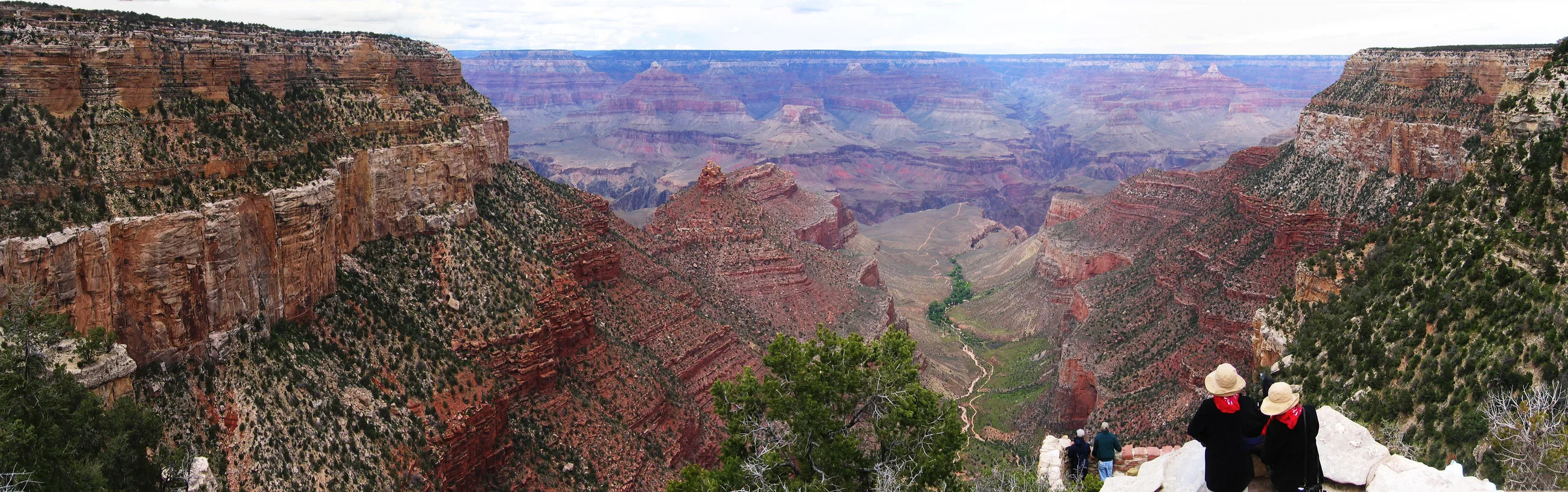
South Rim, North Rim or a Day Tour?
The rim and gateway determine season, drive time, services and whether the day leaves room to walk.
Argentina & Brazil
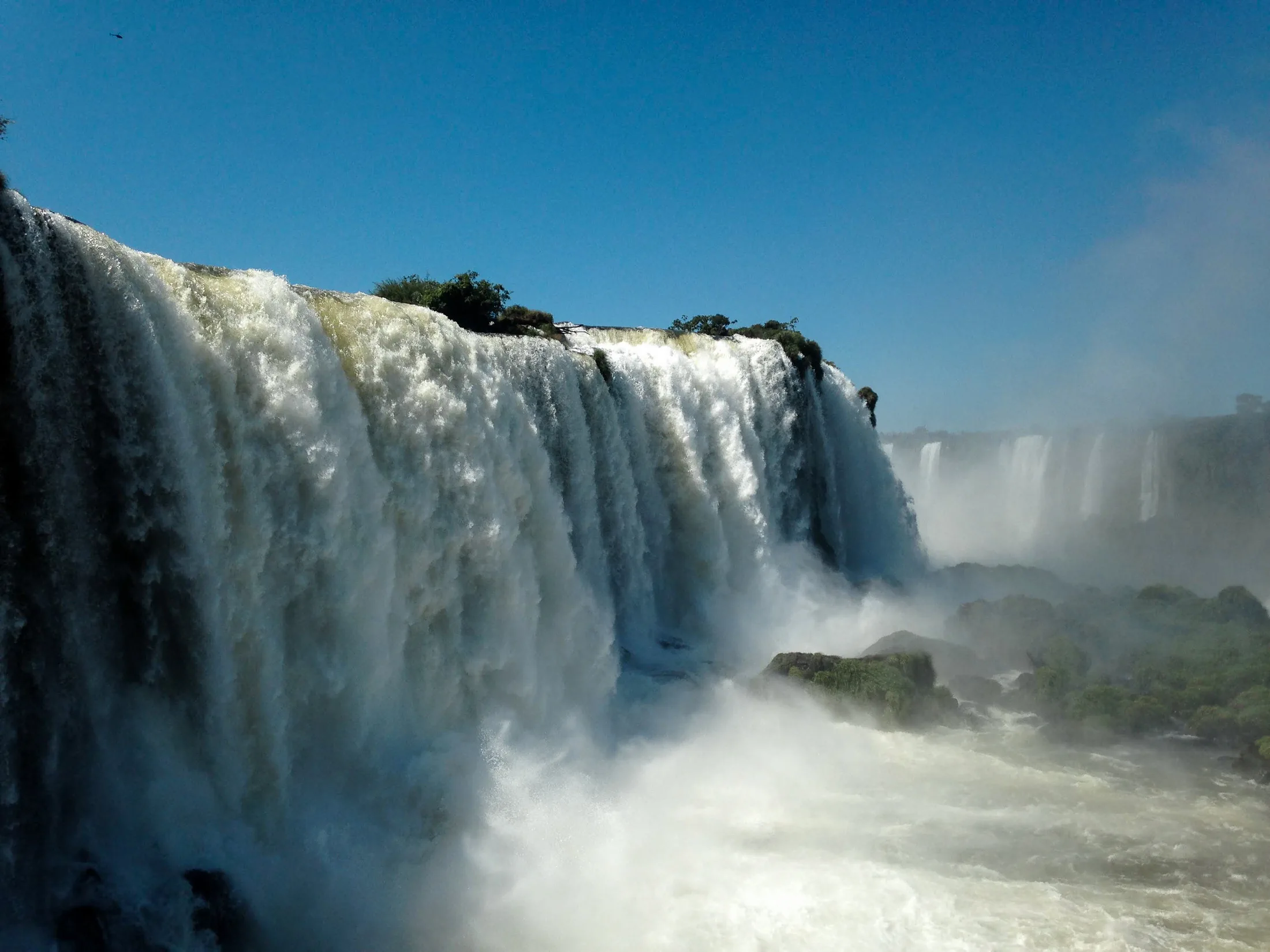
Argentina Side, Brazil Side or Both?
Argentina puts you inside the circuit network; Brazil gives the broad panorama. Crossing between them adds a separate park system, ticket channel and transfer plan.
Australia
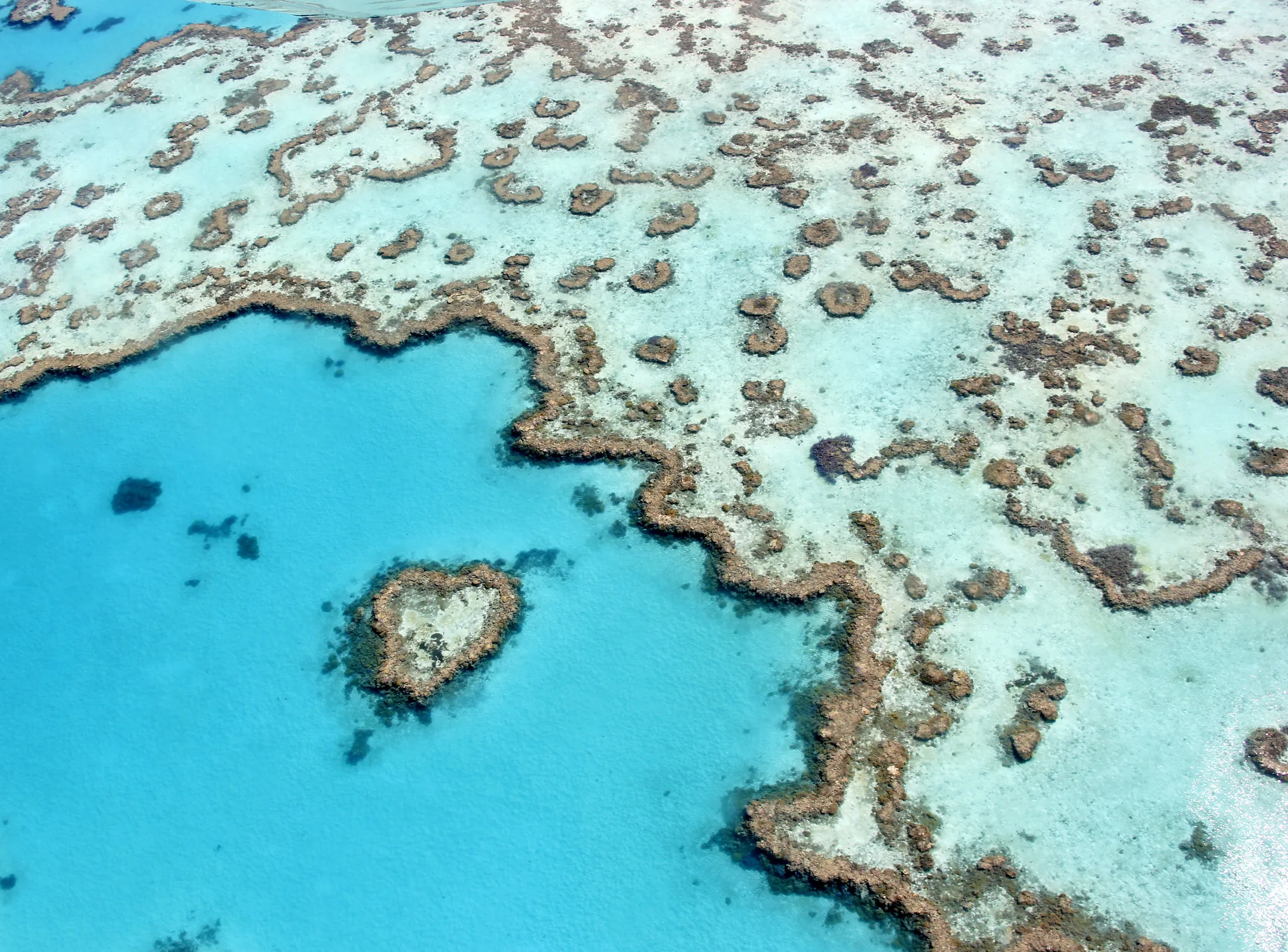
Which Gateway and Reef Trip?
A reef visit begins with gateway, vessel, travel time, water confidence and operator standards rather than one universal excursion.